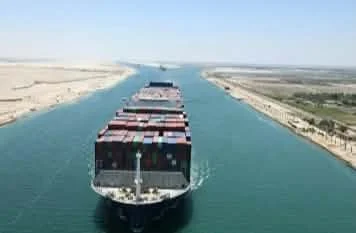
AAPA LATAM Guatemala 2026, where these issues deepen a debate that will define the role of Latin American ports in the coming decade
Port expansion has become a key structural debate within the regional maritime-port sector. It is no longer a technical or short-term issue, but rather a long-term strategic discussion affecting all of Latin America, which will continue to be explored in greater depth at AAPA LATAM Guatemala 2026
This line of thought began to take shape strongly during the Lima edition, in the panel “Port Expansion in Latin America: Success Stories and Strategic Challenges”, where representatives from the public and private sectors put on the table concrete data, ongoing experiences and a central question: what decisions must be made today so that the region's ports remain competitive in an increasingly demanding global scenario.
Accelerating Growth and a Widening Gap

Moderated by Jimena López, former president of the Quequén Port Management Consortium, the panel began with a shared diagnosis: demand is growing, but infrastructure is not always keeping pace. This gap represents a significant portion of the opportunities—and risks—for Latin America.
During her presentation, Marliz Bermúdez Richard, Head of Investments Americas at APM Terminals, provided compelling figures. In 2024, the region's ports handled approximately 55 million TEUs, with Brazil (13.9 million), Panama (9.6 million), and Mexico (9.3 million) leading the ranking.
The growth rate
Beyond the volumes, the key data point was the growth rate: Brazil registered an increase of nearly 20%, while Panama showed growth of 25% in the Caribbean and 38% in the Pacific. According to Bermúdez, this dynamic demonstrates a growing tension between demand, installed capacity, and response times.
Case Studies Showcasing Visionary Expansion
The panel explored various expansion models already underway. Drawing on operational experience, APM Terminals shared examples such as Moín (Costa Rica), which has exceeded 1.5 million TEUs annually since 2019, and Lázaro Cárdenas (Mexico), whose 19-meter depth positions it as a hub ready for large vessels. In Brazil, the Suape development stood out for its environmental focus, conceived as a fully electrified terminal with a zero-emissions goal.
An estimated investment of US$4.45 billion
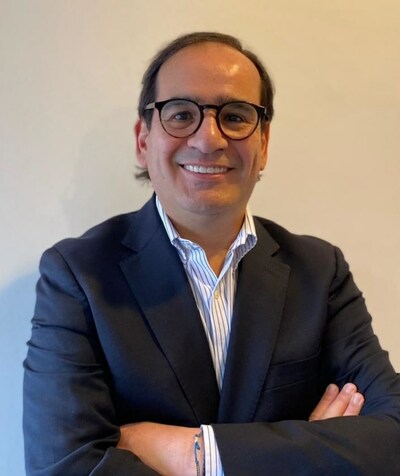
From Chile, Eduardo Abedrapo Bustos, president of the board of directors of the San Antonio Port Authority, presented one of the region's most ambitious projects: the Outer Port of San Antonio. With an estimated investment of US$4.45 billion—of which US$1.95 billion corresponds to state investment and US$2.5 billion to private concessions—the project aims to triple the current capacity and reach up to 6 million TEUs by 2036.
Uruguay and Brazil in Focus
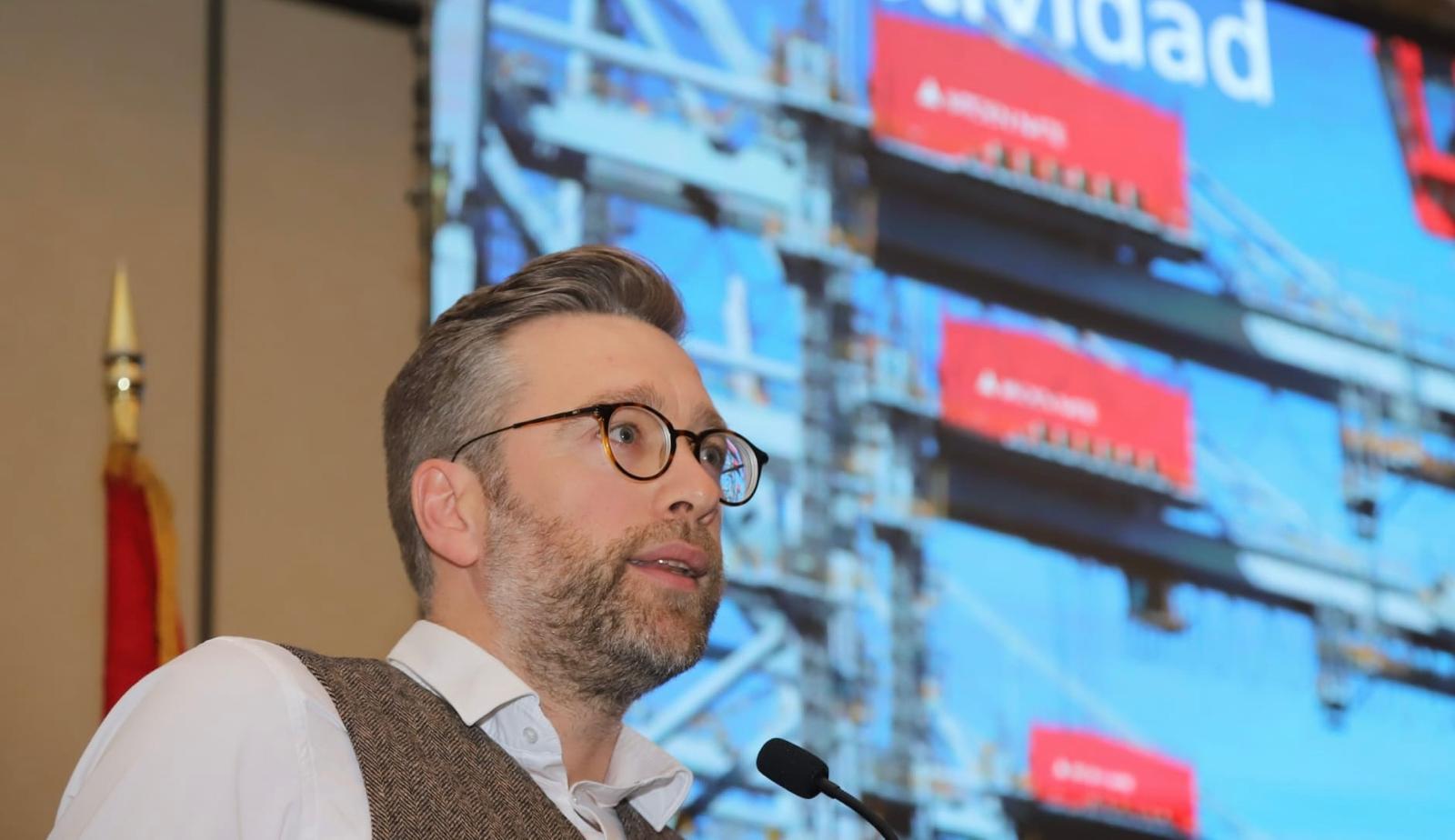
The Uruguayan experience was presented by Kenny Pauwels, General Manager of Katoen Natie Terminal Cuenca del Plata. The expansion plan for the specialized terminal in Montevideo includes a US$600 million investment, growth from 1 to 3 million TEUs, 730 meters of new wharf, 60 hectares of beach, and the addition of 32 hybrid straddle carriers, a unique fleet in Latin America. One of the most relevant technical points was the analysis of double calls, a direct consequence of draft limitations—which in many ports in the region range between 10.5 and 16 meters—and which forces ships to make additional stops. Reaching a depth of 14 meters, Pauwels explained, will be key to eliminating this inefficiency.
The expansion relies on management and multimodality.

From Brazil, Portos do Paraná demonstrated how the expansion also relies on management and multimodality. Luiz Fernando García da Silva, President Director of Portos do Paraná, highlighted that in 2024 the system handled nearly 70 million tons and 1.5 million TEUs, supported by a US$120 million rail project that will increase cargo capacity from 5 to 24 million tons, as well as advancements in digitalization such as the Port Community System and new maritime traffic control systems.
The strategic perspective: beyond the project
The panel's conceptual vision was marked by the intervention of Guillermo Misiano, CEO of PTP Group, who focused on the structural challenges that any port expansion process in the region faces. Misiano emphasized that the scale of the necessary investments often exceeds the capacity of private financing, making the participation of public banks and multilateral organizations essential.
He also pointed out that port expansion cannot be analyzed without considering variables such as cybersecurity, the construction of secure logistics corridors, and compliance with international standards—such as the Authorized Economic Operator (AEO) program—which are increasingly crucial for maintaining trade relations with demanding markets On environmental matters, he was clear: there is still no dominant technology for decarbonization, so cooperation between ports and the exchange of experiences will be key to moving forward without losing competitiveness.
An open debate towards Guatemala 2026
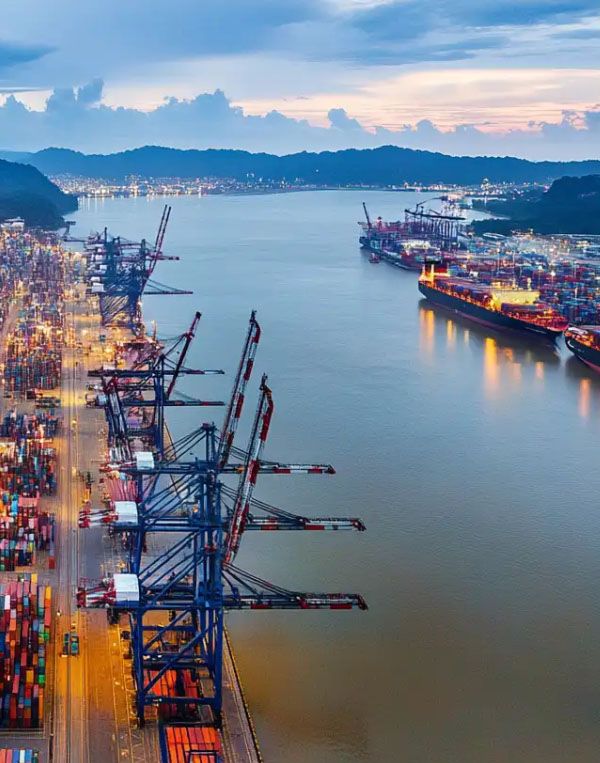
The experiences, figures, and perspectives shared in Lima confirm that port expansion is no longer an option, but a necessary condition for the economic and logistical development of Latin America. In a scenario projected to see more moderate growth by 2026, but with greater demands for efficiency, sustainability, and resilience, investing better will be as important as investing more.
Therefore, the discussion initiated in Lima naturally extends to AAPA LATAM Guatemala 2026, where these issues will once again take center stage. There, the region will have the opportunity to compare progress, review strategies, and deepen a debate that will define the role of Latin American ports in the coming decade
#Latin American ports # (AEO) program #Guillermo Misiano #Portos do Paraná #Kenny Pauwels #Port of San Antonio #Quequén Port #AAPA LATAM Guatemala 2026
You Might Also Like

Recommendation News

Marine News Room
EU Commission launches first Hydrogen Mechanism cal 12 November 2025
Incidents
At least 148 people die after boat catches fire in Congo 17 October 2025
Marine Tech
Two Italian FREMM frigates from Fincantieri for Greece in a €460 million deal 01 September 2026
Shipping Lines
Sallaum Lines Commences Cyprus Flag Registration as Part of Strategic Move 04 February 2026
Shipping Lines
"Gemini" alliance resume traffic Suez Canal with the "ME-11" shipping service 10 February 2026