Arsenio Dominguezt: IMO will keep advancing global rules designed to shift the shipping sector away from fossil-fuel dependence.
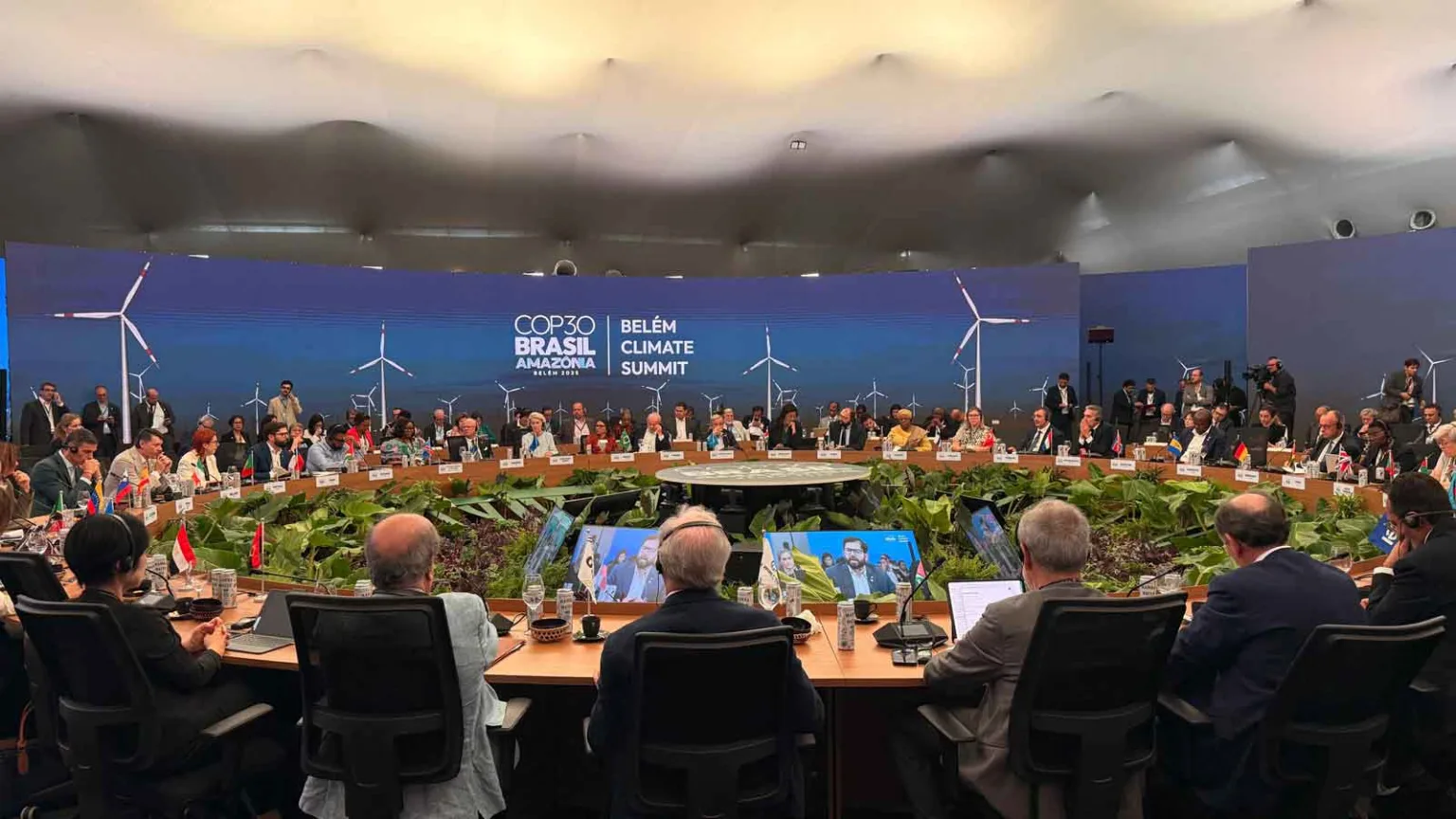
It was described as a conference energy and Transport Day (14-15 November) at COP 30, environmental NGOs call on governments to accelerate action to reduce shipping emissions, especially following the delay in the adoption of a binding global shipping measure at the International Maritime Organization (IMO).
Carbon pricing mechanism
According to a statement by Environmental Defense Fund, Pacific Environment, Seas At Risk, Solutions for Our Climate, and Transport & Environment, the U.S.-led postponement delay in adoption of the IMO Net-Zero Framework (NZF), the first UN-mandated fuel mandate and carbon pricing mechanism on any sector, by one year risks slowing down industry-wide decarbonization efforts at a moment when decisive action is needed most.
National actions for shipping decarbonization
While Member States continue negotiations on the NZF, national governments must step up and act domestically and regionally to keep the transition on course, ensuring investment, infrastructure, and innovation continue to drive the industry forward.
The NGOs therefore call on all governments to commit to the following national actions for shipping decarbonization:
Develop and implement a national action plan on international shipping emissions
Set clear domestic targets and mandates for low- and zero-emission marine fuels and vessels
Deploy financial and regulatory incentives to accelerate ship efficiency and fuel transition
Enhance port infrastructure and support for alternative fuels, as well as technologies such as wind propulsion and electrification
Ensure a just and globally equitable transition, especially for developing and small-island nations
Support urgent action on short-lived climate forcers (methane and black carbon) emitted by international shipping
Taking proactive steps now will demonstrate governments’ commitment to achieving net-zero shipping by 2050 and help ensure that, when the IMO reconvenes, it can move forward with stronger ambition rather than face another setback said John Yum, Head of Shipping Team, Solutions for Our Climate
Decisive action is most needed
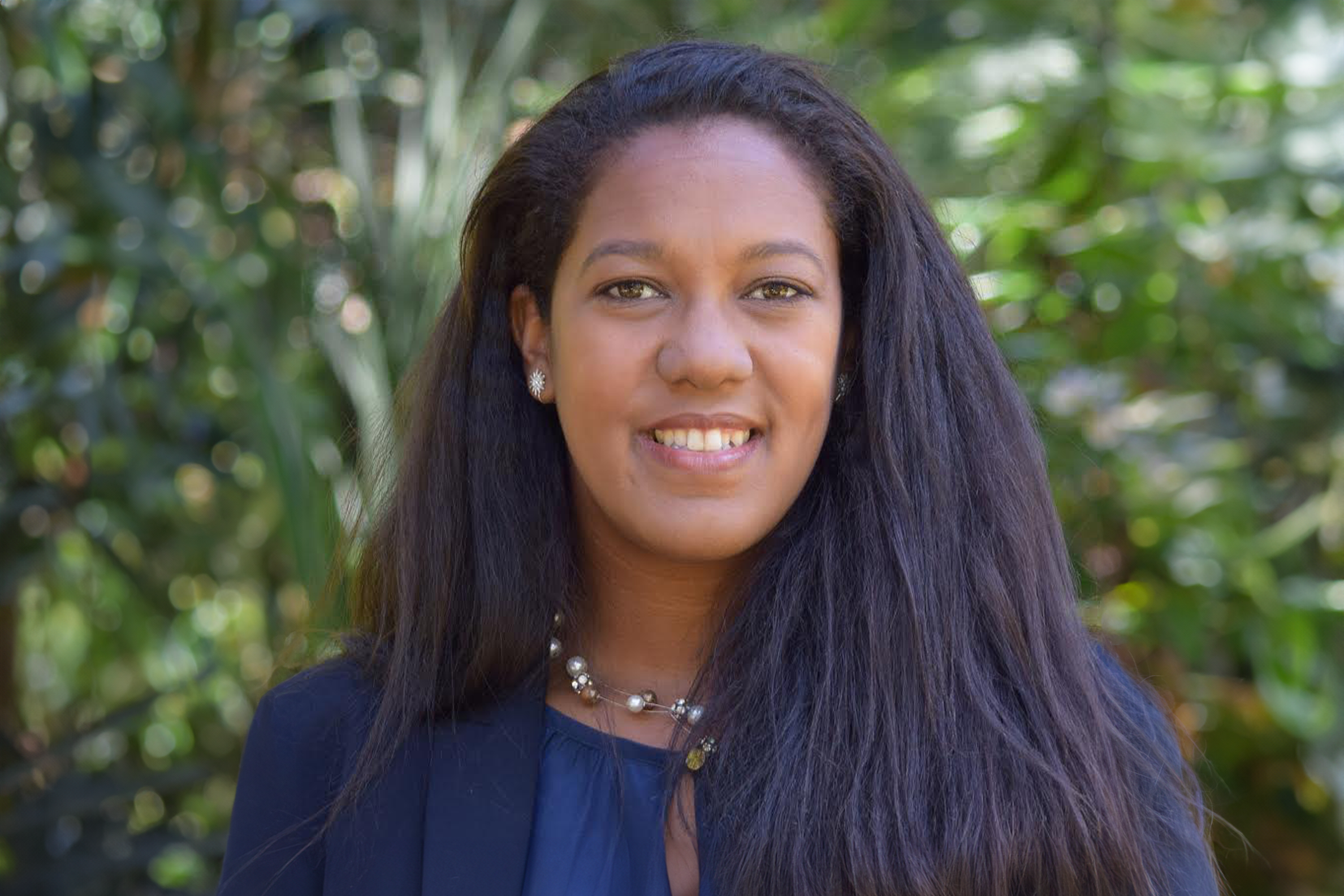
Meanwhile Davina Hurt, Climate Policy Director, Pacific Environment, highlighted that member states were bullied into delaying the International Maritime Organization’s Net-Zero Framework, but obstruction by bad actors cannot continue to force inaction at a time when decisive action is most needed.
Related : US threatens in October after reject IMO’s Net Zero Framework
Net-Zero Framework
on the other hand the International Maritime Organization’s Net-Zero Framework is rooted in this reality. Leaders can and must act now to implement it. The future of the industry is not in its past—it begins with action today commented Mark Brownstein, Senior Vice President, Energy Transition, Environmental Defense Fund
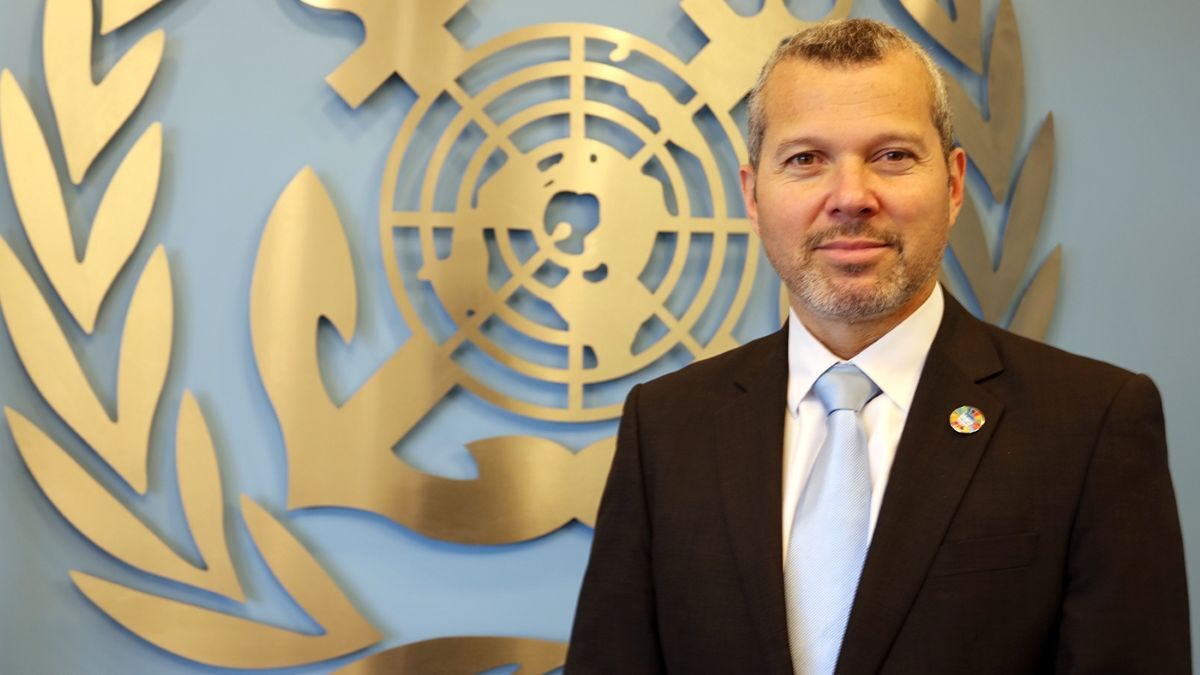
On the other hand , IMO Secretary-General Arsenio Dominguez stated during the Organization’s COP 30 side event that the IMO will keep advancing global rules designed to shift the shipping sector away from fossil-fuel dependence.

It is noteworthy that The 30th Conference of the Parties (COP) to the United Nations Framework Convention on Climate Change (UNFCCC) is hosted by the Government of Brazil between 10–21 November 2025 and will be held in the city of Belém, Brazil’s gateway to the Amazon. A Heads of State Summitwill take place on 6–7 November ahead of the main conference.
Delegates will discuss a range of priority issues, while remaining countries are expected to submit their Nationally Determined Contributions (NDCs) – setting out their commitments to accelerate climate action.
NDCs are catalysts for achieving the Paris Agreement – translating global ambition into national opportunity. As of mid-October 2025, only 31% of countries have submitted their national climate plans to the UNFCCC. Ambition remains limited.
The Paris Agreement
The Paris Agreement threshold of 1.5°C is much more than a number on a thermometer, every fraction of a degree matters for reducing social, economic and environmental impacts around the world. Increased warming carries huge implications for societies, economies and political systems. It is not possible to adapt our way out of climate breakdown, thus mitigation and adaptation must go hand in hand. COP30 is a pivotal time to increase ambition and efforts across all sectors and implement evidence-based action at pace.
. COP30 , UNFCCC , IMO , NGOs, shipping decarbonization ,Mark Brownstein , Arsenio Dominguez , Davina Hurt, John Yum , carbon pricing mechanism , the Government of Brazil
You Might Also Like

Recommendation News

Marine News Room
Exclusive -Capt.Abdel-Galil :Reintegrate Syria into the global maritime community 2026 13 December 2025
Marine Tech
bound4blue hits bullseye daily fuel savings on LDA Ro-Ro 14 October 2025
Ports
LR and Mawani partnership to enhance skills and operational performance across Saudi Ports 24 December 2025
Marine News Room
IMO Assembly to elect new Council and approve 2026-2027 work programme 19 November 2025
Ports
DP World explores operations at both ends of Panama Canal 22 January 2026