The most important challenges in the maritime transport and ports sector in 2025, how to face them in 2026, and what the (IMO) should do facing 2026 ?
Maritime Tickers posed just three questions ( 3 What's ? ! ) to an elite persons in the maritime transport, ports, offshore, and logistics sectors. as a survey on the most important events of 2025 in the sector from his point of view, what events 2026 holds, and what he hopes will happen locally and globally in this vital strategic sector.

By : Iyead Khalil
The first Exclusive Interview with Dr. Mohammed Ismail Head of the Department of International Trade and Transport Logistics Management at the Arab Academy for Science, Technology and Maritime Transport - Latakia Branch Trainer at the Phoenicia Institute for Maritime Training with Iyead Khalil
What is your Key Events in the Global Maritime Transport Sector in 2025 ?
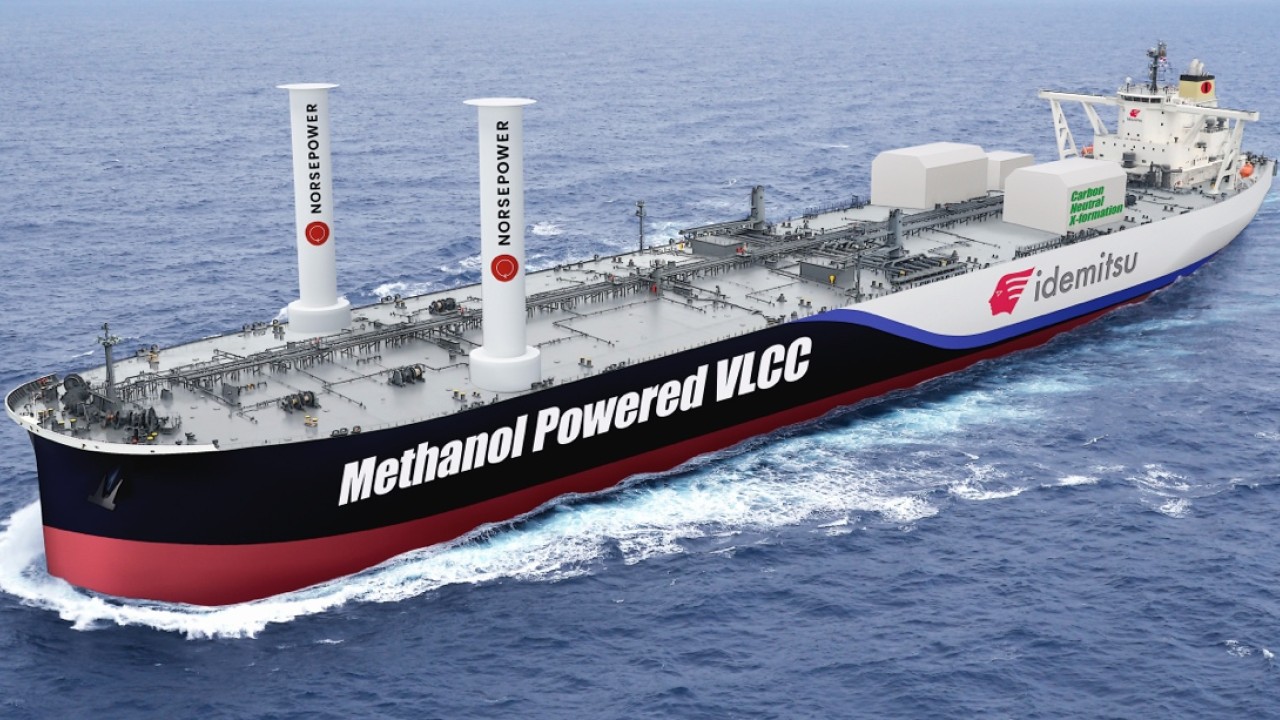
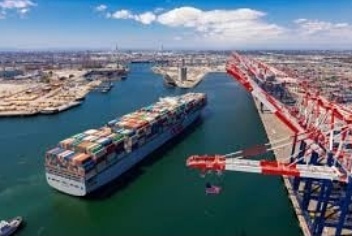
Dr. Mohamed Ismail said in exclusive interview " The maritime transport sector witnessed numerous events and developments in several areas during 2025, most notably in shipbuilding, such as the construction of mega container ships with a capacity exceeding 24,000 TEUs (twenty-foot equivalent units).
He adding : This necessitates continuous modernization of ports and shipping lanes, as well as digitalization and automation, including the use of artificial intelligence to improve route efficiency, simplify documentation, and track shipments.
Noted :the sector also faced environmental and logistical challenges, such as environmental compliance through the implementation of strict regulations to reduce sulfur emissions (IMO 2020) and greenhouse gas (GHG) emissions. Supply chain resilience became particularly crucial after the COVID-19 pandemic and the Ever Given incident, highlighting the need to focus on building more resilient and less vulnerable supply chains.
From my personal perspective, the most significant of these events and challenges are as follows:
1. Environmental Compliance: -
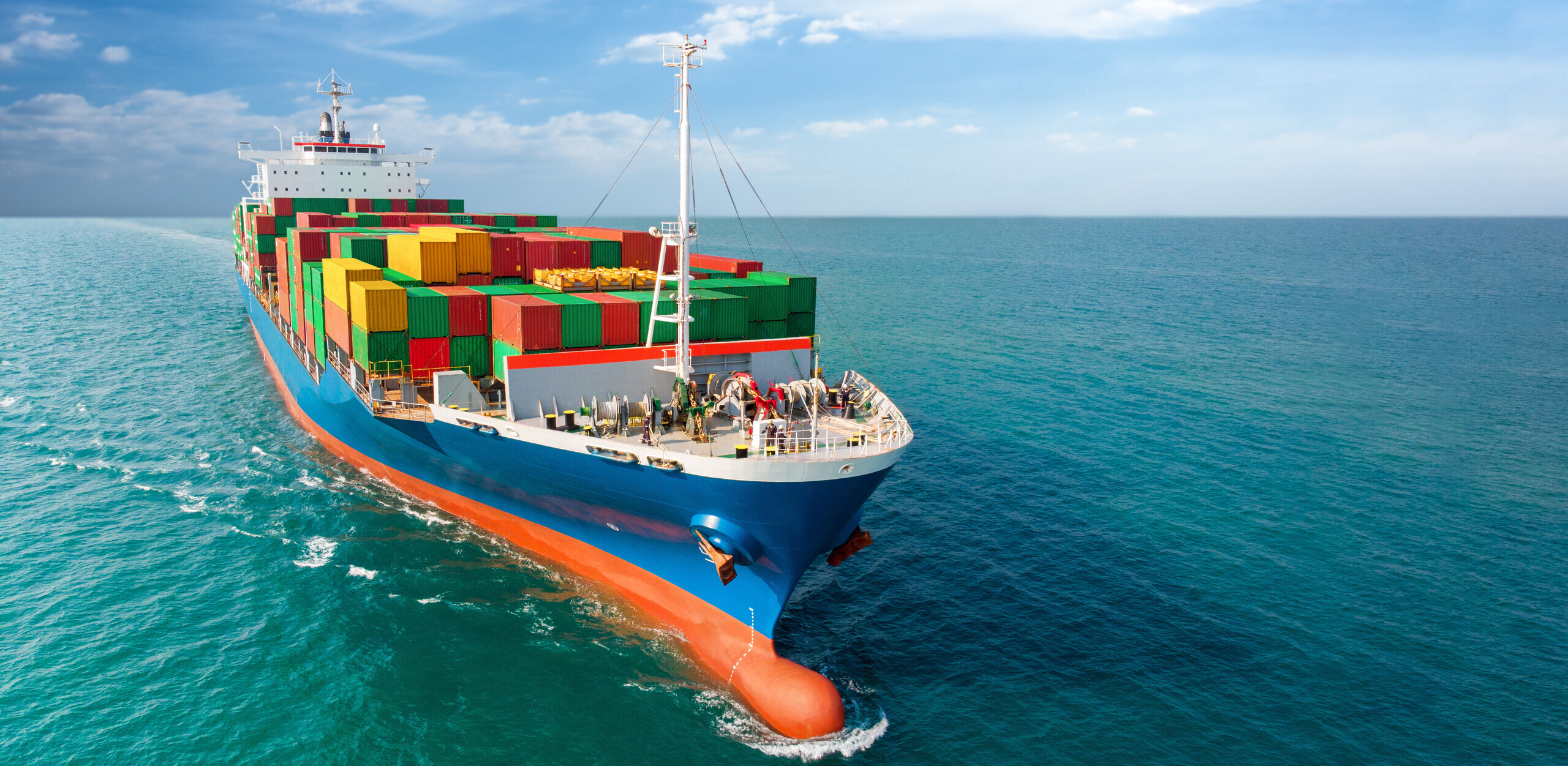
The use of green fuels through the expansion of methanol and ammonia use. The year 2025 witnessed a large number of new dual-fuel vessels enter service, particularly methanol-powered ships. This increased demand for green fuels in major ports, leading to higher operating costs for non-compliant vessels, increased congestion at alternative fueling stations, and a reduction in the maximum sulfur content of marine fuel. - Strict enforcement of the Energy Efficiency Existing Ship Index (EEXI) andhttps://www.imo.org/en Carbon Intensity Index (CII) and EEXI.
The International Maritime Organization (IMO) emphasized the application of the operational carbon intensity index, forcing many owners of older vessels to decommission their ships. This impacted supply chains in general and increased pressure on ports to compensate for delays at sea by expediting handling operations.
2. Supply Chain Resilience:
Increased investment in digitalization and artificial intelligence AI with major shipping lines boosting their investments in end-to-end visibility platforms and analytics tools to predict port and route disruptions, resulting in a slight improvement in Estimated Time of Arrival (ETA) accuracy thanks to modern technology.
- Geopolitical risks, as tensions persisted at chokepoints, and navigation in volatile areas, such as the Red Sea and key shipping lanes, remained susceptible to disruption. This kept insurance risks high for transiting vessels, impacted supply chains between Asia and Europe, and resulted in shipping costs remaining high compared to the previous period.
Global Maritime Transport Outlook for 2026
What is about Global Maritime Transport Outlook for 2026?
The maritime transport sector in 2026 is expected to focus on sustainability and automation, including:
- A shift to green fuels such as ammonia, methanol, and hydrogen, instead of traditional fossil fuels, and a reduction in carbon emissions. This will require significant investments in machinery technology and refueling systems.
- The development of autonomous vessels and the ongoing efforts to create ships capable of operating without a crew, or with a very limited crew, which will reduce operating costs and human error. These technologies are currently in the testing phase.
- The transition to smart ports, which utilize sensors and big data to improve loading and unloading efficiency and security to unprecedented levels, and to enhance the ability to handle autonomous vessels.
As according to Logistical and Operational Challenges Facing the Maritime Transport Sector in Syria and its Development Prospects:
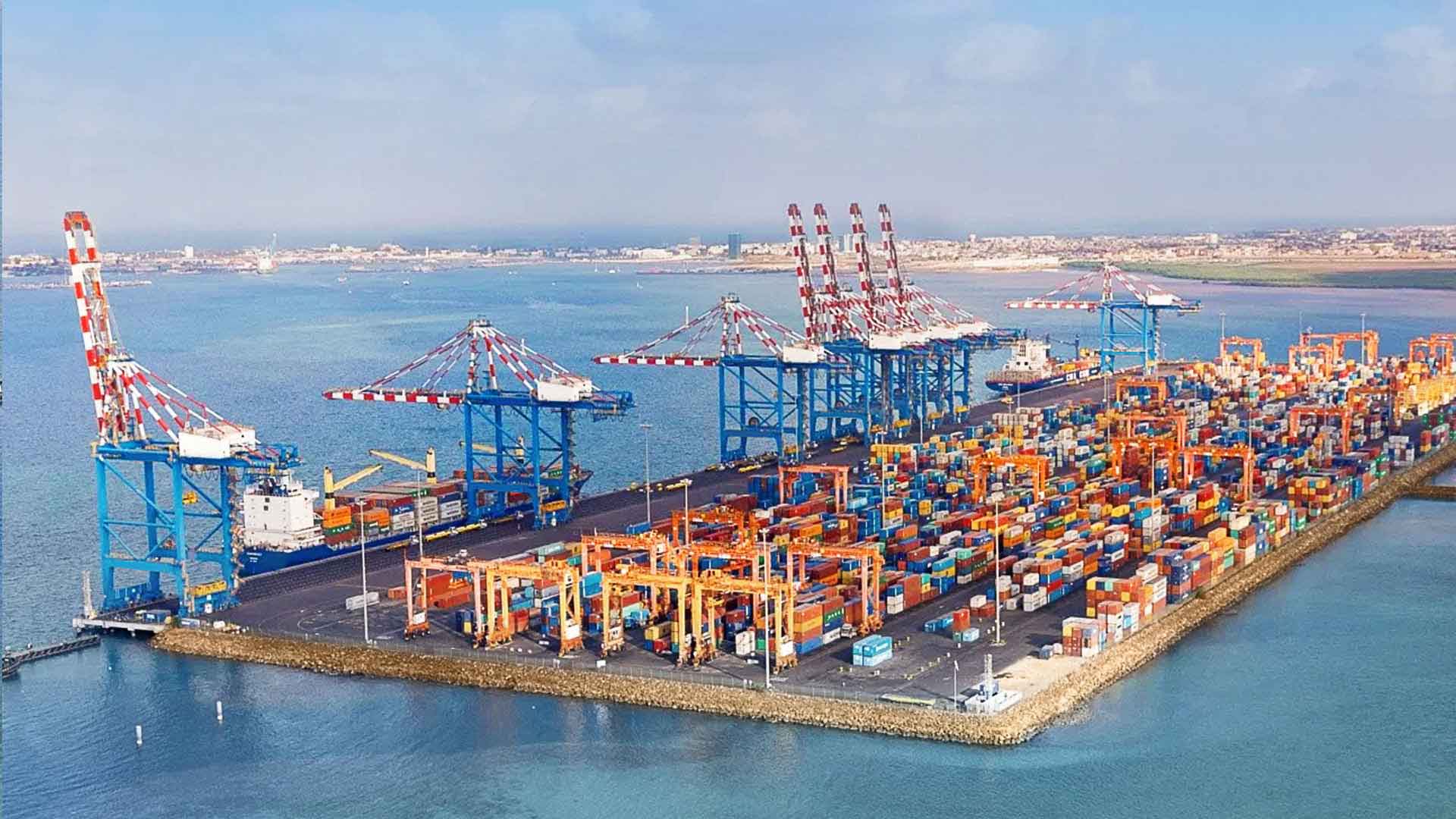
- Port Infrastructure and Equipment: Syrian ports require further investment to modernize handling equipment and cranes, and to deepen berths to accommodate modern vessels and withstand intense competition from neighboring ports.
- Geopolitical Situation: International sanctions have made it more difficult to attract foreign direct investment and modernize the fleet, increased insurance costs and risks for ships heading to Syrian ports, and diverted some cargo traffic to other regional ports.
The Maritime Transport Sector in Syria
What is the Future and Prospects for Developing the Maritime Transport Sector in Syria ?
- Reliance on Reconstruction and Regional Connectivity: The maritime sector is expected to play a pivotal role in the reconstruction process, as Syria will rely heavily on its ports to import building materials and machinery.
- Increased Investment in Infrastructure: There is an urgent need for investment in deepening port berths, purchasing modern gantry cranes to handle giant container ships, and developing digital systems to expedite customs clearance procedures.
- Establishing a shipyard for building and maintaining ships, or what is known as a dry dock, on the Syrian coast, and encouraging the establishment of all associated and complementary industries and services along its shores.
Revitalizing the Role of Syrian Ports as a Logistical Gateway for Transit Goods: Restoring the role of Syrian ports as a natural gateway for transit goods to neighboring countries by activating internal and regional road and rail networks. - Developing strategic plans to transform one of the Syrian ports, Latakia or Tartus, into a central port and logistics hub, and to enhance its ability to handle various types of ships, including self-driving or autonomous vessels.
Personal aspirations and recommendations in the field of maritime transport:
- Increase interest and awareness, both globally and in Syria, by integrating logistics, law, management, and environmental topics into school curricula from primary to university levels, particularly in maritime education.
- Strengthen evaluation procedures and standards for granting and issuing maritime certificates, especially those related to officer certifications, safety, and environmental protection.
- Establish a global platform, managed by the International Maritime Organization (IMO), for chartering and selling ships, shipping cargo, and employing officers and seafarers.
Implement strict standards and regulations to prevent intellectual pollution by rigorously combating racial, ethnic, and religious discrimination, and equipping ships with libraries for general knowledge.
- Achieve economic prosperity, clean, pollution-free seas, smart ports, and zero accidents and incidents.
Dr. Mohamed Ismail , Syria , Global Maritime Transport ,Outlook for 2026
You Might Also Like
19 October 2025
Recommendation News
Incidents
Mysterious :Causes of the fire of ASL BAUHINIA in the Red Sea 16 October 2025
Marine Tech
ABS Approves Seagate Space’s Modular Offshore Launch Platform 07 December 2025
Incidents
Death Ferries :Today ferry sinks on way to Indonesia’s Bali ( Video ) 18 October 2025
Yachts&Cruises
The cruise ship order book rises to 77 units 09 February 2026
Incidents
A ship carrying oil was hit in the Strait of Hormuz 02 March 2026