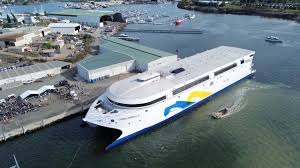
Originally designed to work with liquefied natural gas (LNG), the project was reformulated for a zero emission solution, demonstrating the viability of electrification
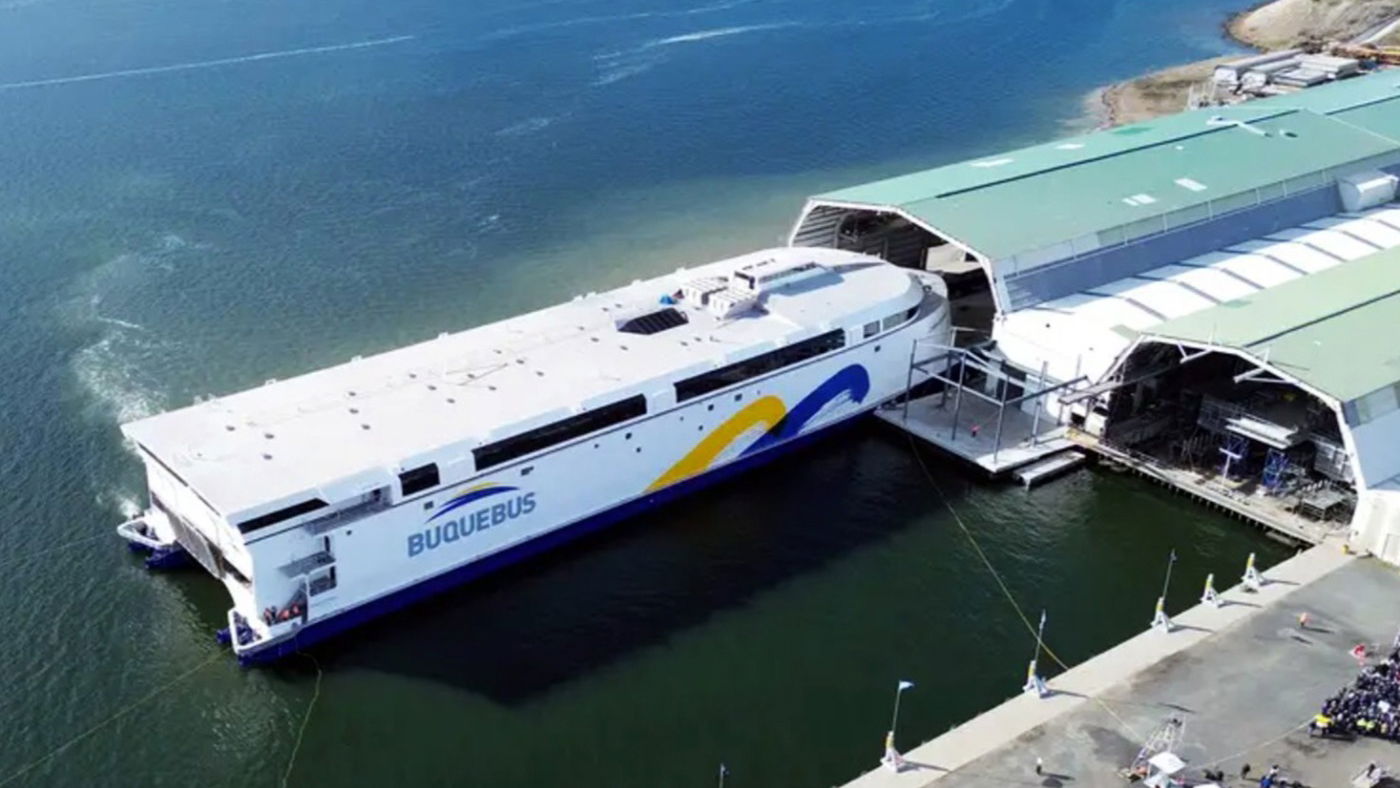
The naval industry developed a new historical mark in Tasmania, Australia, with the start of the Hull 096 sea trials (which would later be baptized by (China Zorrilla),( (MO 9916678, MMSI 770576314 - sailing under the flag of Uruguay.) the first ever built electric battery-powered vessel.
The 130-metre compact catamara, built in summer by Incat Tasmania, features its first autonomous maneuvers on the Derwent River, moving exclusively through its electric propulsion. This vessel represents an unprecedented technological leap, being considered the largest electric vehicle of any type on the planet. Equipped with an energy storage system that exceeds 40 megawatt-hours (MWh), a capacity four times greater than any previous marine installation or ship carrying more than 250 tons of lithium batteries.
The viability of electrification for commercial marine transport
The vessel is being planned by the American Buquebus operator and will have capacity to transport 2,100 passengers and 225 vehicles. Originally designed to work with liquefied natural gas (LNG), the project was reformulated for a zero emission solution, demonstrating the viability of electrification on a large scale for commercial marine transport of passengers and cargo.
The port tests
The port tests now starting are a critical phase to validate or decommission the control systems, operation and integration of the electric motors in real conditions. This stage follows the first engine tests carried out in December and precedes the final shipment of the ship, scheduled for the next few months, at a height where commercial operations will begin between Argentina and Uruguay
The technological leadership
The technological leadership demonstrated by this project places the Australian naval construction industry at the forefront of the global energy transition. As a conclusion from the above mentioned articles, the sector has a new reference model for the decarbonisation of marine wheels at short and medium distance, proving that it is possible to abandon the fuels found even in vessels of large dimensions and high performance.
Source : Press - Release
#American Buquebus operator#China Zorrilla # electric vessel# Tasmania #flag of Uruguay
You Might Also Like

Recommendation News
Shipping Lines
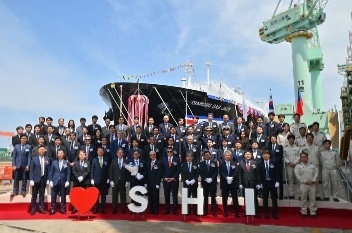
Newly Built LNG Vessel for Diamond Global Energy Named DIAMOND GAS JADE 29 May 2026
Marine Tech
Bulgarian Shipowners Association joins ICS as an Affiliate Member 18 June 2026

Marine News Room
Raúl Villa Caro writes : seafaring expressions 26 October 2025
Shipping Lines
Behind the scenes of the Gianluigi Aponte deal and earmark up to $5bn for a massive tankers 30 January 2026