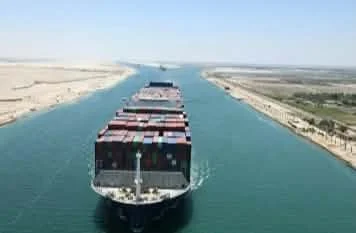
A charterer, Naphtha importers in North Asia are paying 50,000 dollars per voyage from the Persian Gulf because of the region’s designation as a high-risk area
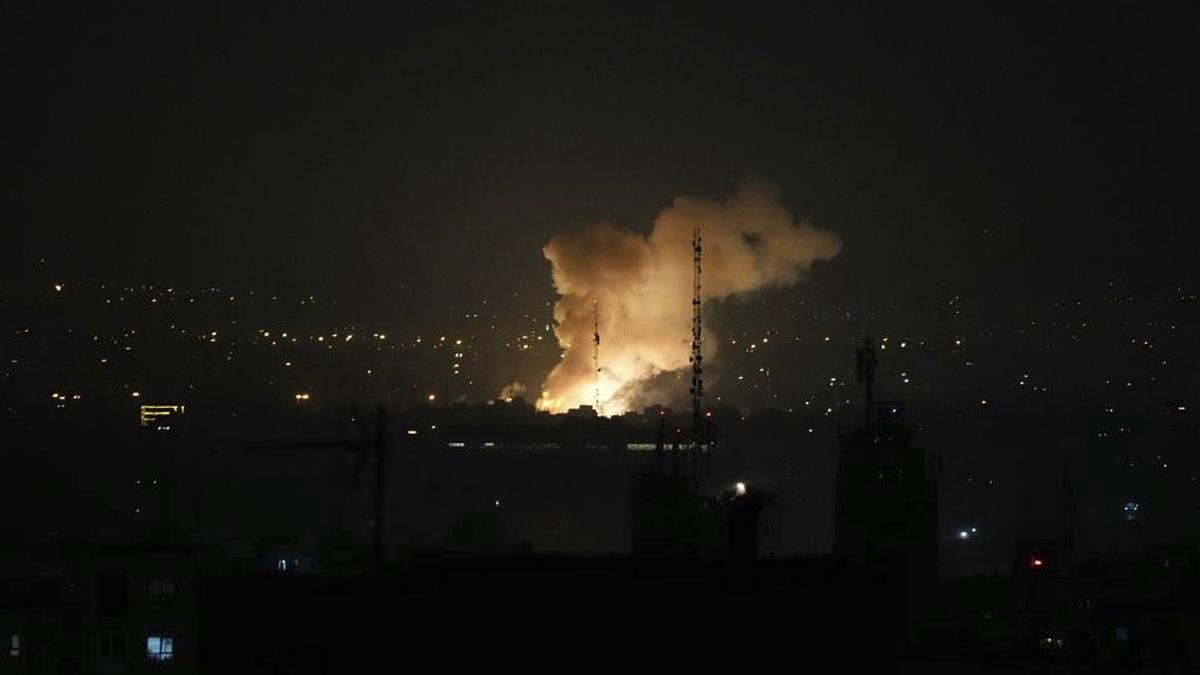
Maritime war risk premium in the Middle East could rise if the Israel-Iran conflict escalates, after the latest Israeli attacks.
The extra war risk premium is around 0.05% to 0.07% of a ship’s hull and machinery value for spending 7 days in the Persian Gulf and has remained unchanged for the last 18 months.
According to a charterer, Naphtha importers in North Asia are paying 50,000 dollars per voyage from the Persian Gulf because of the region’s designation as a high-risk area by a consortium of maritime insurers for the last 6 years.
The HRA designation
The HRA designation came after several attacks on oil tankers in the region, with one notable case being the LR2 tanker Front Altair in June 2019.
However, insurers also provide discounts for owners with large fleets, either by allowing crossings longer than 7 days or by combining the transit periods of two or more vessels in the same fleet to lower costs.
A VLCC broker
A VLCC broker said that, discounts or no discounts, overall delivered costs will rise and will be passed onto charterers, meaning any retaliation by Iran would drive up cargo costs, freight rates and insurance charges.
This latest conflict in the Middle East comes just as owners were being encouraged to increase cargo shipments through the Suez Canal to show easing tensions.
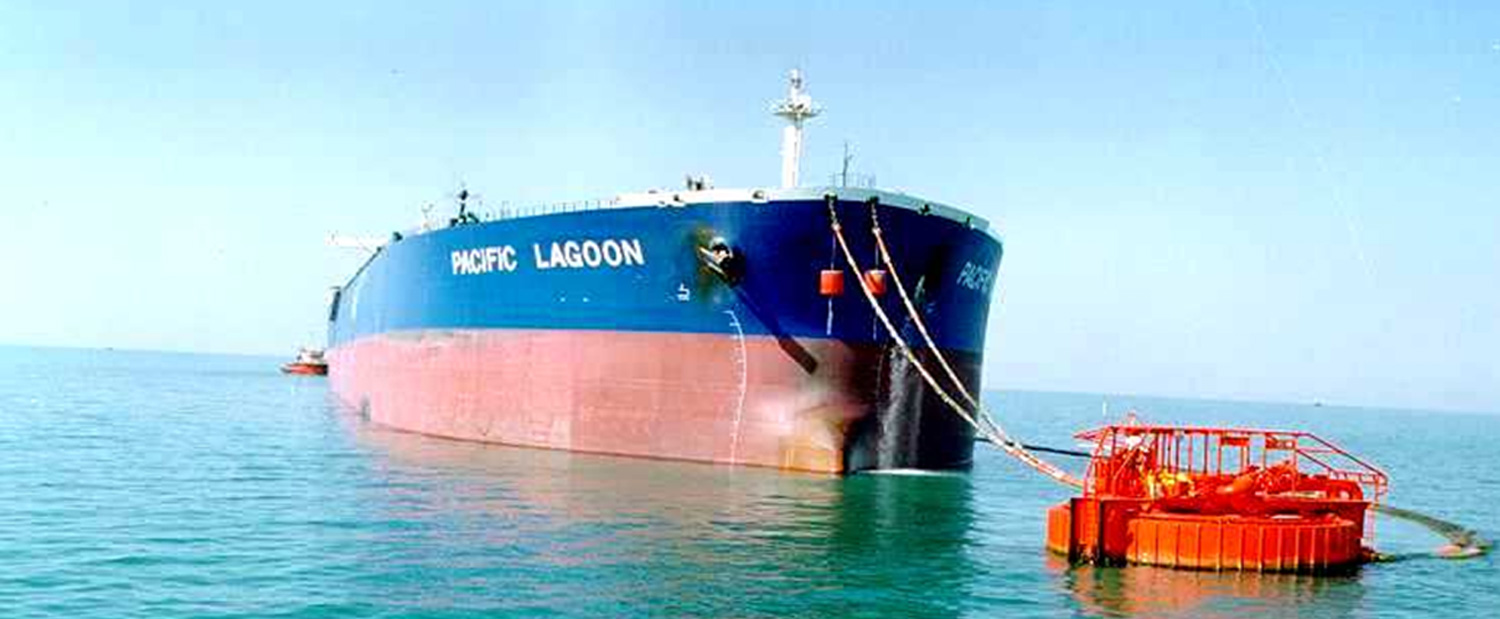
Many distillate cargoes from Sikka, a port on the west coast of India, have crossed the Suez Canal to save voyage time despite the high costs of delivery.
A few owners in the Mediterranean
A few owners in the Mediterranean, especially of Persian and Greek origin, regularly route cargoes via the Red Sea, earning a considerable freight premium while charterers also cover the AWRP.
In case the conflict escalates further, it could hamper the efforts to bring about normalcy in the Red Sea, per sources.
The AWRP in the Red Sea
Though voyages for refined products from the Persian Gulf to Europe via the Red Sea are up to 2 weeks shorter than those around the Cape of Good Hope, freight rates remain similar because many owners avoid the Red Sea due to the security risks. Till recently, the AWRP in the Red Sea was about 0.4 to 0.5% of the H&M value for a 7-day transit, sources stated.
The Persian Gulf-Africa route
A fixed charge of $150,000 paid by charterers in addition to freight applies when cargoes are moved on LR Tankers along the Persian Gulf-Africa route, covering costs like deploying armed guards.
Naphtha deliveries on the Red Sea-North Asia LR1 trade route presently have a w20 premium over the Persian Gulf loadings, reduced from w120 in 2024.
Red Sea to Singapore route
The premium for the Red Sea to Singapore route, gasoline trade on MR tankers has decreased to w130 from w110 since the end of 2024.
In the same period, the hefty $600,000 premium for crossing from the Red Sea into the Persian Gulf versus the Red Sea to Europe route has reversed into a discount of a similar amount.
A change in the premium is very much possible if freight rates for Persian Gulf and Red Sea loadings increase, a tanker broker who tracks such deals stated.
About : AWRP
It is noteworthy that for high risk areas, most of the time war insurance can be reinstated for a time limited call with changed conditions and at an additional war risk premium (AWRP). The AWRP is paid for by the entity that decides that the vessel will trade to the excluded area.
Related : Red Sea crisis :Quadrupled transport costs according to BCG-PDF
References: S And P Global, India Ship News
Israel-Iran conflict ,Maritime war risk premium , Middle East , Persian Gulf , A VLCC broker , war risk premium (AWRP),
PPU consoles (Pilot Portable Unit) stand out, which the pilots themselves usually carry on board
You Might Also Like
21 November 2025
Recommendation News
Shipping Lines
GEODIS Ships firefighting helicopters between Spain and Chile- Video 17 December 2025
Incidents
Report: South Korean vessel HMM Namu on Fire in the Strait of Hormuz 11 May 2026
Seafarers
ITF and ETF demand action to ensure “crucial step forward” for fishers 19 November 2025
Ports
Hainan’s Yangpu Port trailblazes advancing high-level opening-up innovations 26 December 2025
Shipping Lines
Bahri Signs Two Agreements at the World Defense Show to Support Localization of Supply Chains 11 February 2026