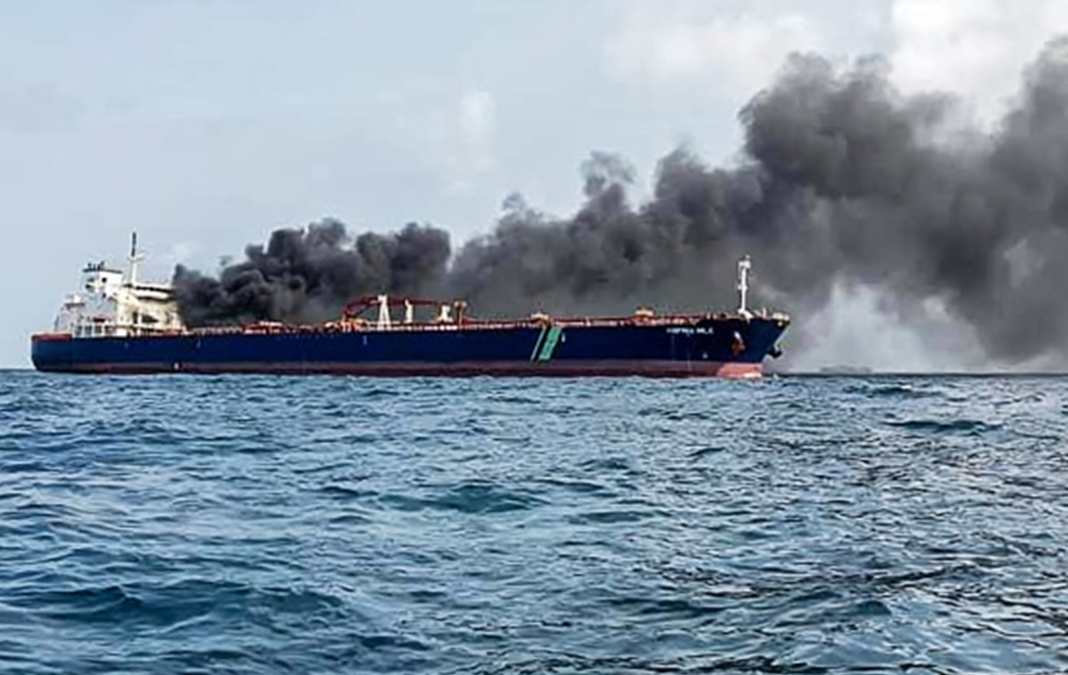
The shadow fleet has become a source of global concern, prompting the European Union to issue warns to Play By the Rules
The shadow fleet has become a source of global concern, prompting the European Union to issue warns a stark warning that escalating interference with satellite navigation systems in the Baltic Sea and North Sea is placing all commercial shipping at immediate risk,according to the UK Department for Transport. Belgium, Denmark, Estonia, Finland, France, Germany, Iceland, Latvia, Lithuania, the Netherlands, Norway, Poland, Sweden and the United Kingdom said modern maritime transport has become critically dependent on satellite-based position, timing and navigation data, leaving vessels exposed when signals are disrupted or degraded.
The ever-growing problem of GNSS interference
The warns message come the missive begins with a about the ever-growing problem of GNSS interference in the Eastern Baltic, well-documented for years by ship trackers and researchers. Strong technical evidence points to a cluster of powerful GNSS jamming and spoofing stations located in the Russian exclave of Kaliningrad, including some which appear to run on dated analog equipment. All of the locations appear to turn on and off in unison, indicative of unified command and control, according to GPSPatron and Gdynia Maritime University.
Related : Magdy Sadek : Map of shadow financial networks for shipping

The 14 coastal states warns in the new letter
Meanwhile these disturbances, originating from the Russian Federation, degrade the safety of international shipping. All vessels are at risk," the 14 coastal states warned in the new letter They said uninterrupted GNSS performance is no longer a technical matter but a core safety requirement, underpinning not only ship navigation but time synchronisation essential to the Global Maritime Distress and Safety System.Any outage, interference or loss of signal directly threatens safe operations at sea.
GNSS interference in European waters, with the Baltic Sea region
The states pointed to a sharp rise in GNSS interference in European waters, with the Baltic Sea region identified as the main hotspot, warning that disturbances are now affecting international shipping routes and placing every vessel at risk regardless of flag. They added that manipulation and spoofing of the Automatic Identification System is compounding the danger by undermining traffic coordination, eroding situational awareness and severely weakening emergency and rescue response capabilities.
UNCLOS Article 92
.The states reminded owners that ships can only sailing under one flag, and that sailing under the flags of two or more nations is the same thing as operating as a stateless vessel, per UNCLOS Article 92. Stateless vessels are subject to flag state verification boardings on the high seas. Upon boarding, coastal state officials have the opportunity to inquire about the rest of the vessel's compliance status, like insurance, SMS, STCW, MARPOL or sanctions compliance, potentially resulting in detention.
Specific quality issues in the shadow fleet
Related :Maksim Barodzka writes : New GNSS Interference Report Released
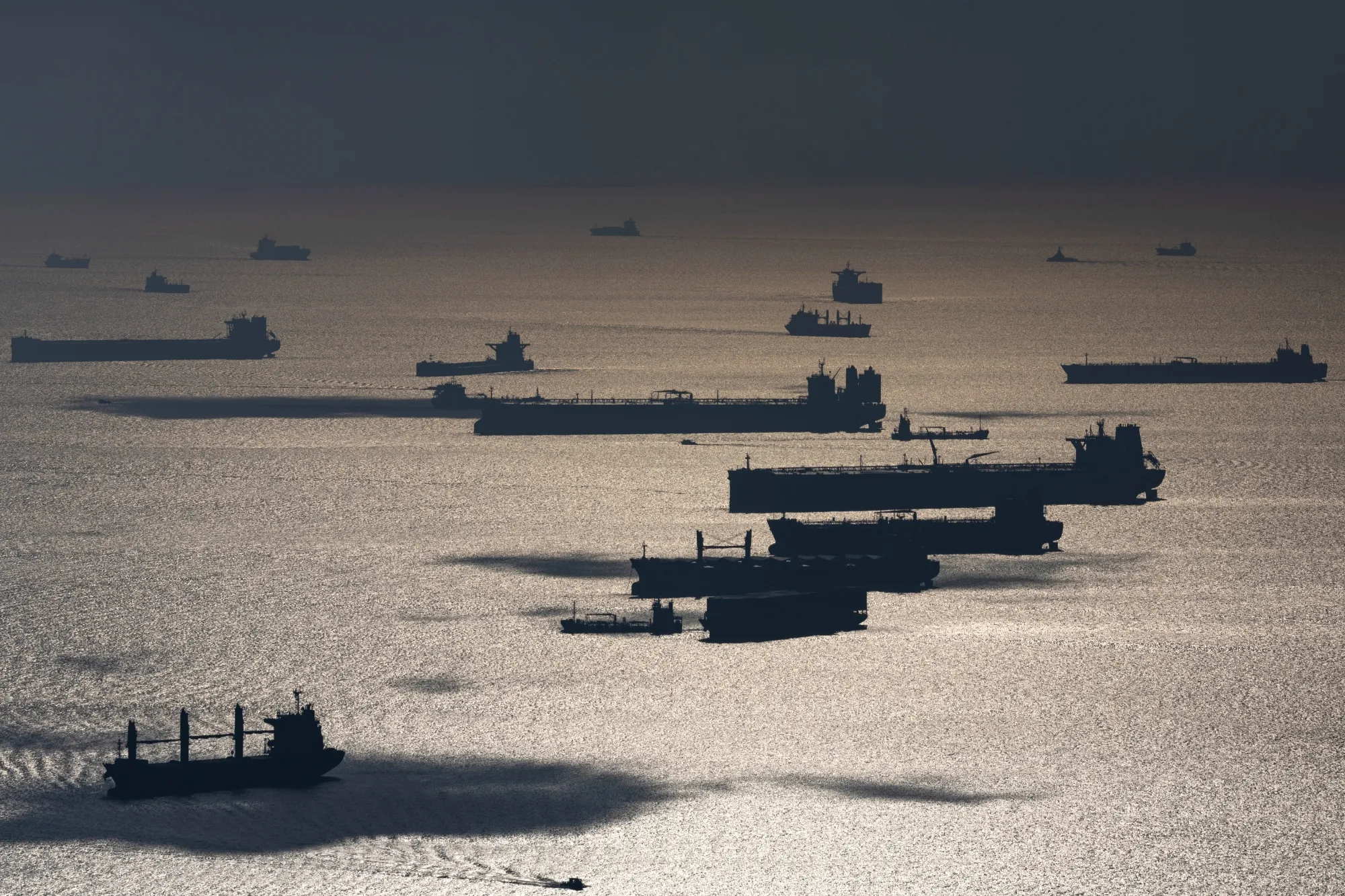
The letter also includes a variety of basic reminders targeted at specific quality issues in the shadow fleet, and the list is extensive. The 14 coastal states saw it necessary to remind shadow fleet shipowners that their vessels need to keep a lookout; need to have an SMS and a MARPOL response plan; have to follow IMO mandatory routing systems; and must talk with VTS operators.
The International Maritime Organization IMO is a specialised United Nations agency responsible for setting global standards for ship safety, security, environmental performance and maritime training through binding international conventions and technical codes adopted by its member states.
Baltic Marine Environment Protection Commission (HELCOM) is a regional intergovernmental body coordinating environmental protection and maritime safety measures among Baltic Sea coastal states, including routing schemes, sensitive sea areas and pollution prevention frameworks aligned with international rules.
ٌRelated : مجدي صادق يكتب: أسطول الظل الروسي.. “لعبة الشيطان” تهدد العالم
#(HELCOM) #IMO # VTS operators. #EU # Baltic Sea region#North Sea states # GNSS interference #Shadow Fleet #GPSPatron #Gdynia Maritime University.
You Might Also Like

Recommendation News

Incidents
Panamanian Bulk Carrier Blocked in Pozzallo by PSC – Italy 17 October 2025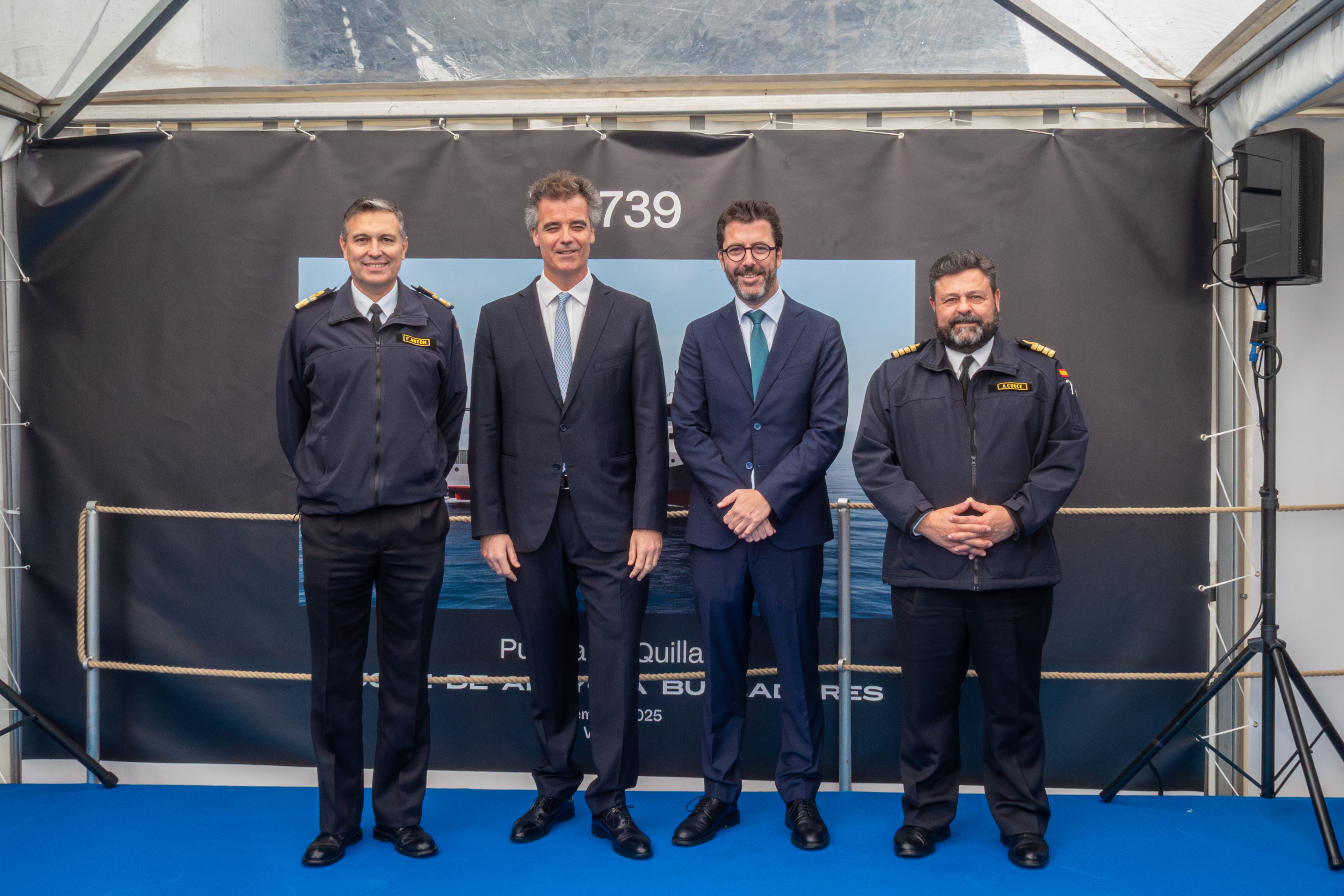
Marine Tech
Keel Laying of the Spanish Navy’s New Diver Support Vessel 08 November 2025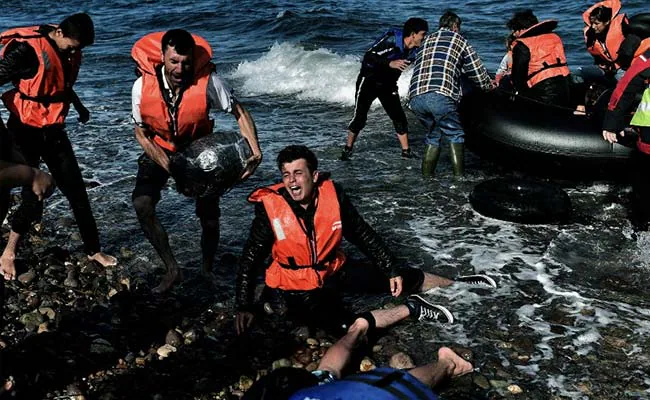
Incidents
At least eight die after migrant boat sinks off Greek island of Lesvos 16 October 2025
Ports
Port Saint John Announces Appointment of New Chief Operating Officer 31 January 2026
Marine Tech
Allianz: The situation is better for marine insurance than it is in the Arabian Gulf. 25 June 2026