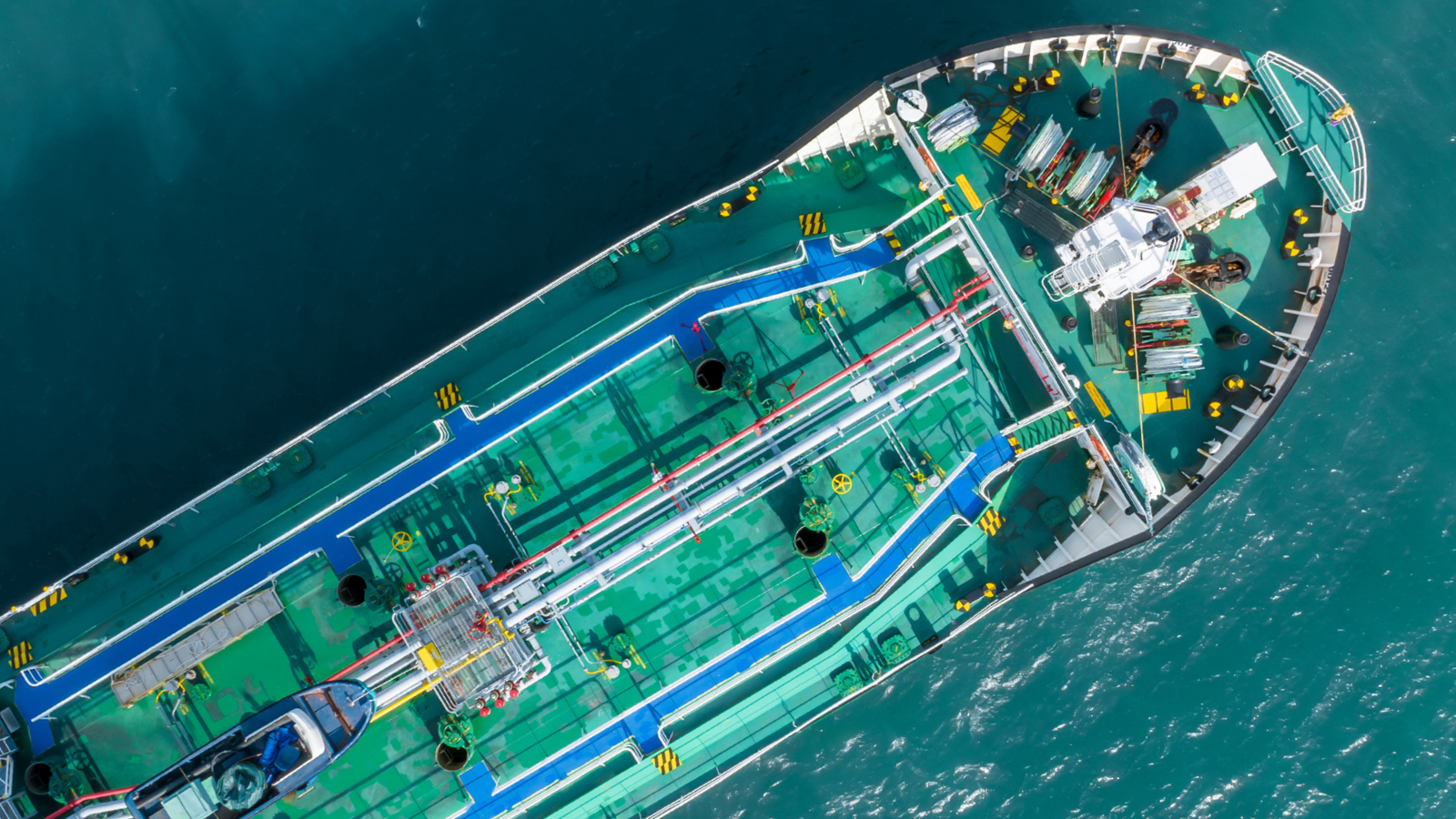
Coal shipments to advanced economies expected to fall 2% to 23-year low
Bimico significant progress on developing a Biofuel Clause for Time Charter Parties – a key step in supporting the industry’s transition to low-carbon fuels. Originally scheduled for adoption and publication by the end of 2025, the timeline has been revised to early spring 2026 to allow for thorough consideration of safety, technical requirements, and extensive feedback from the BIMCO Documentary Committee and wider industry consultation group.
Safe and sound use of biofuel
The new target date reflects BIMCO’s commitment to develop a clause that supports safe and sound use of biofuel under time charter parties. The subcommittee’s focus is on clear responsibilities, specifications and procedures for supply and use, enabling owners and charterers to manage risks while advancing decarbonisation goals.
One area under consideration is the definition of what constitutes “biofuel”, including recognised standards for specifications and blends, while allowing flexibility for alternative arrangements subject to testing and approval.
Related : BIMCO: Crude tanker order book reaches nine-year high

Preparations for biofuel use
Fuel quality and suitability are also central to the discussions. The clause is expected to address requirements for stability and compatibility with the vessel engines, as well as procedures for dealing with non-compliant fuel, including corrective measures. Preparations for biofuel use are another important aspect, including considerations around tank cleaning and crew competence. Segregation of different grades or batches, and rules for comingling or additives, are also part of the work.
A balanced framework that supports decarbonisation
Commercial and performance implications are being reviewed, such as how speed and consumption warranties might be adjusted to reflect the lower calorific value of biofuels compared to conventional fuels. Finally, practical elements like notice periods, timelines for consumption and handling of remaining fuel at redelivery are under discussion to provide clarity and minimise disputes.By addressing these areas, the clause aims to create a balanced framework that supports decarbonisation while managing operational and contractual risks
Coal shipments fall 2% to 23-year low
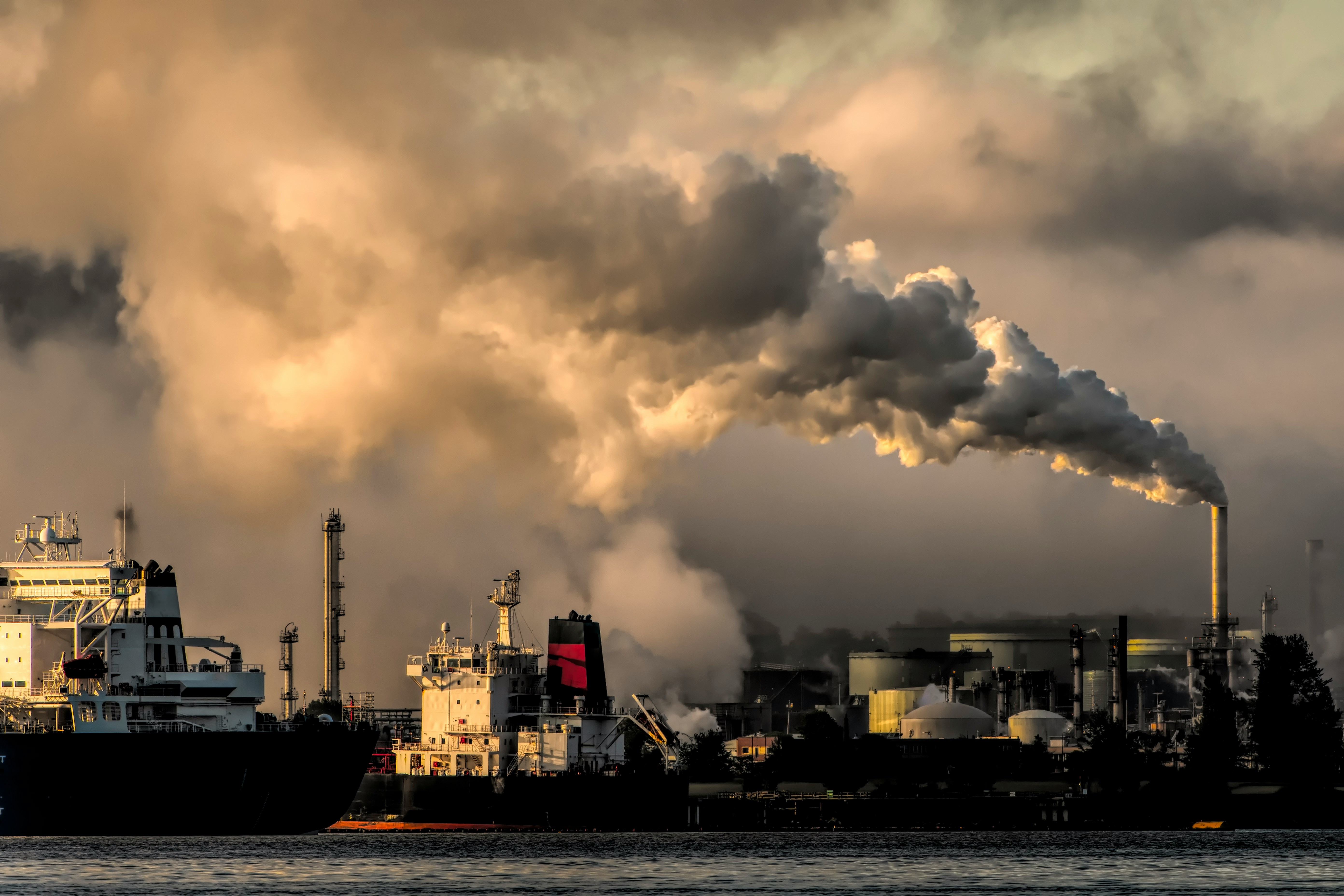
On the other hand while there are reports confirming that Coal deliveries to advanced economies will decline by 2% year on year in 2025 to the lowest level in 23 years, according to a BIMCO forecast. This would mark a third consecutive annual decrease, although the pace of contraction is slowing. The reduction is driven primarily by weaker demand for coking coal amid lower steel production, analyst Filipe Gouveia of the shipping association said.
From January to October, global steel production fell 2.1% year on year, based on data from the World Steel Association. In developed economies that rely on imported coking coal, the drop was sharper: steel output in the EU fell 3.4%, in Japan 4.1%, and in South Korea 3.6%.
Coking-coal shipments
As a result, coking-coal shipments to these economies declined 10% year on year. Between 2022 and 2024, thermal-coal shipments to these countries fell 30%. In 2025 to date, however, deliveries rose 1% compared with the same period a year earlier due to higher volumes to the EU at the start of the year. Electricity demand increased in Germany and the Netherlands, while wind and hydropower generation decreased.
In Japan and South Korea, thermal-coal imports broadly matched last year’s levels: increased electricity consumption from data centers supporting artificial-intelligence systems and semiconductor production offset the rise in renewable generation.
Global seaborne coal deliveries in 2025
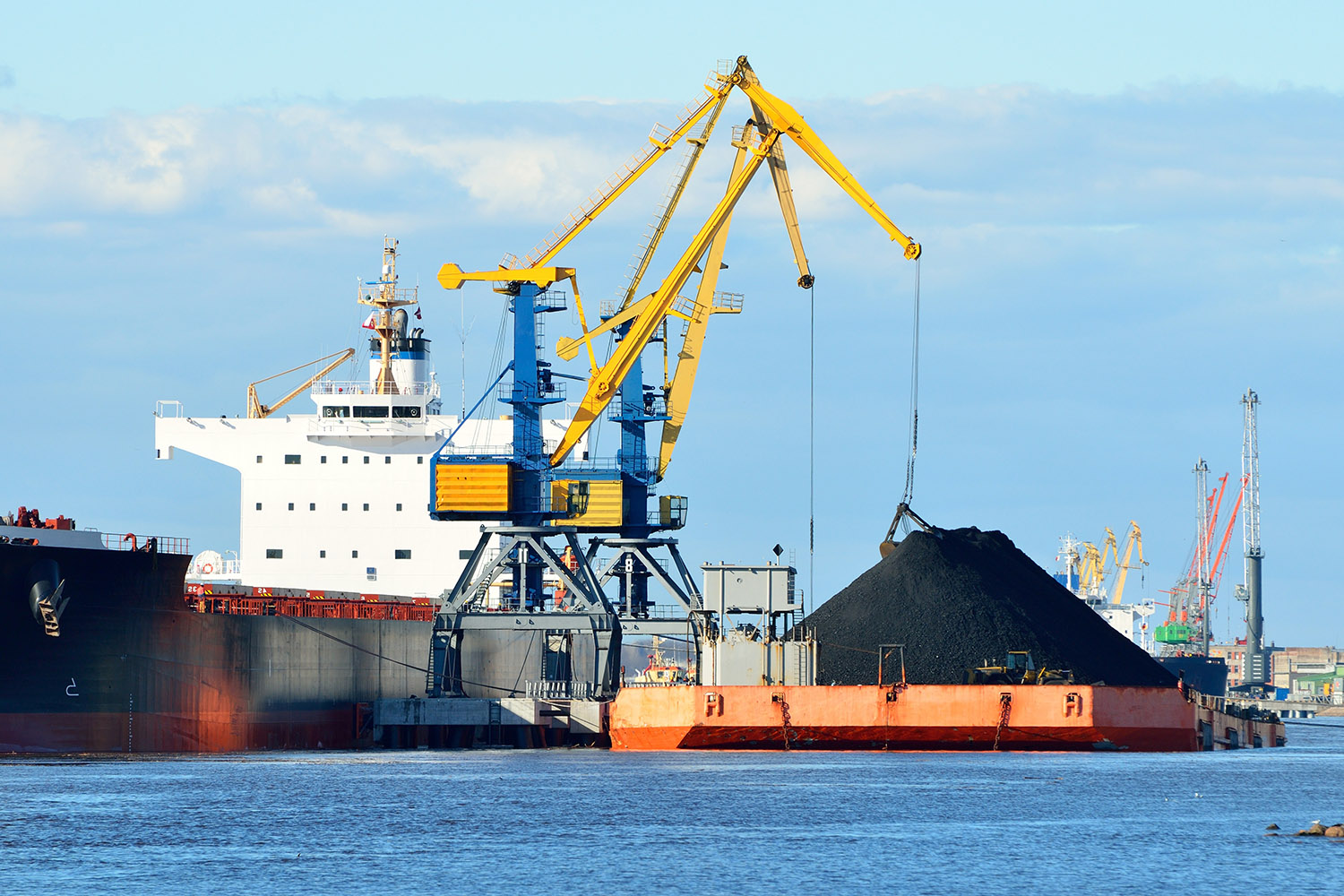
BIMCO estimates that developed economies will account for 29% of global seaborne coal deliveries in 2025, compared with 77% 23 years ago, while still generating around 7% of global dry-bulk volumes. Lower shipments have already pressured the market, especially the panamax and capesize vessel segments, Gouveia noted.
Imported coking coal could partially recover,
Since the start of 2025, 57% of such cargoes were carried by panamax vessels and 30% by capesize vessels. The panamax share increased by 3 percentage points from 2024 amid higher price competition in that segment. In 2026, demand from advanced economies for imported coking coal could partially recover, particularly in Europe.
According to the International Energy Agency, renewable-energy ( IRENA ) capacity in 2025–2030 could rise 64% in Europe, 30% in Japan, and 49% in South Korea.
About : BIMCO
BIMCO is an international shipping association that represents vessel owners, operators, brokers, and related maritime stakeholders. It provides market analysis, develops standard contracts for the maritime industry, and participates in regulatory discussions affecting global shipping. The organization also offers guidance on operational, legal, and technical matters for its members.
BIMCO , ( IRENA ) , Biofuel Clause , Charter Parties ,coking-coal shipments ,
You Might Also Like

Recommendation News

Seafarers
ISWAN’s half-year helpline data provides window into changing nature of life and work at sea 05 November 2025
Ports
Argentina : Reduce export tariffs on aluminum and steel until the end of December 02 November 2025
Ports
AD Ports and Kuwait Ports Sign MoU to Development and Operation of Shuaiba Port 16 December 2025
Yachts&Cruises
Carnival Corp. Announces Miami Site for New Headquarters 07 October 2025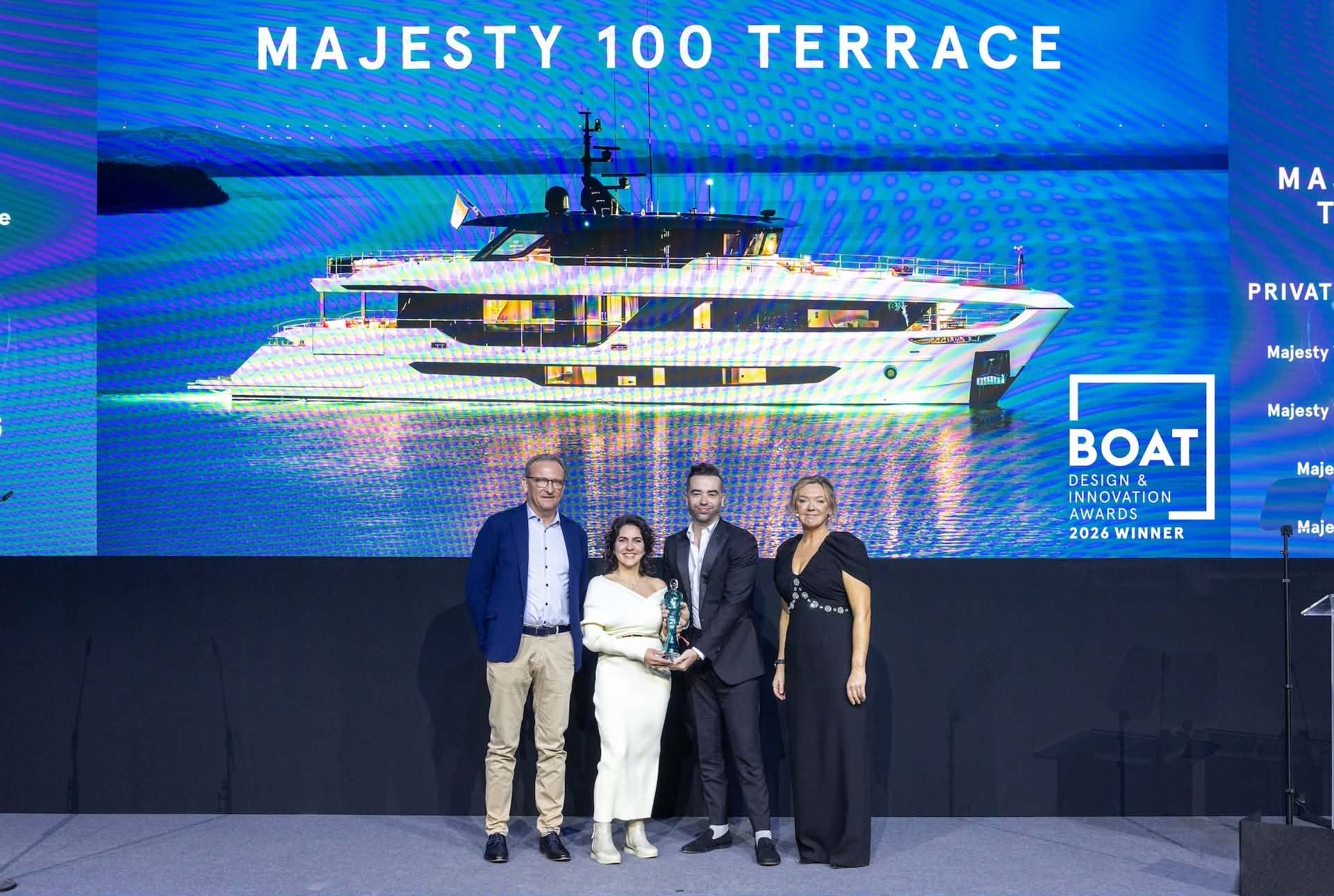
Yachts&Cruises
Majesty 100 Terrace Celebrated at the BOAT Design & Innovation Awards 2026 18 February 2026