ESPO pleads for a policy that more actively supports the market development of e-fuels
Europe’s ports fully support the decarbonisation efforts to be made by shipping companies to get to net-zero by 2050.
While it seems that energy efficiency measures, use of onshore power supply and use of transition and renewable/low carbon fuels will allow shipping companies to comply with the EU emission reduction targets in a first phase, the European Sea Ports Organisation (ESPO) understands shipping must look at a broad array of new fuel types to further continue to reduce the emissions and achieve the ultimate aim to become net-zero by mid-century. Ports in Europe are engaged to do whatever is possible within their role and remit to facilitate this process
Ports in Europe and new fuel
Ports in Europe are getting ready for a growing demand from the sector to use these fuels, and thus, the decision of fuel suppliers to invest and provide these fuels in ports.
For port managing bodies to be ready for these new fuels, it requires them in the first place to identify the criteria and areas for safe and efficient bunkering of a specific new fuel in their port, to make the risk assessment of bunkering a specific fuel in the given environment, and to develop the specific rules and protocols to be respected by the fuels suppliers and shipping companies.
Related : Ansis Zeltiņš, CEO of Riga port, elected as new Chair of ESPO
Safety of port operations
These tasks are in line with the core role of Europe’s port managing bodies to ensure the safety of port operations, in which Europe’s ports are already playing a frontrunner role, and want to strengthen this position.
A clear engagement of ports
In addition, ESPO sees a clear engagement of ports in line with their community building role to facilitate the roll out of new fuels by bringing together stakeholders and working together with shipping companies and all companies involved within the value chain of fuel supply to run pilots and do trials, whenever there is a request from the sector. Green corridors are already in practise and are developing further.
Welcome fuel suppliers
This must allow ports to welcome fuel suppliers who wish to respond to a growing market demand efficiently and appropriately. Ports firmly believes that it is the demand for new fuels that will stimulate fuel producers and suppliers to make the investment decision and provide these fuels to the shipping companies.
The investment appetite and need
The investment appetite and investment needs of fuel producers and suppliers can vary from port to port. Some ports in Europe are, by their location and/or lack of economies of scale, not of interest to the bunkering market and do only provide bunkering services in rare cases. Some ports will, because of their close urban environment, be excluded as bunkering ports for certain fuels.
On the other hand, ports that are real hubs of energy and cluster industries can more easily attract the investors and importers of fuels since these can combine the different uses of the energy.
Related : Drewry : Europe’s freight bills to go up as younger fleet trades
#Europe’s ports , #new shipping fuels , #fuel suppliers ,#(ESPO , #net-zero , 3decarbonisation
You Might Also Like

Recommendation News
Shipping Lines
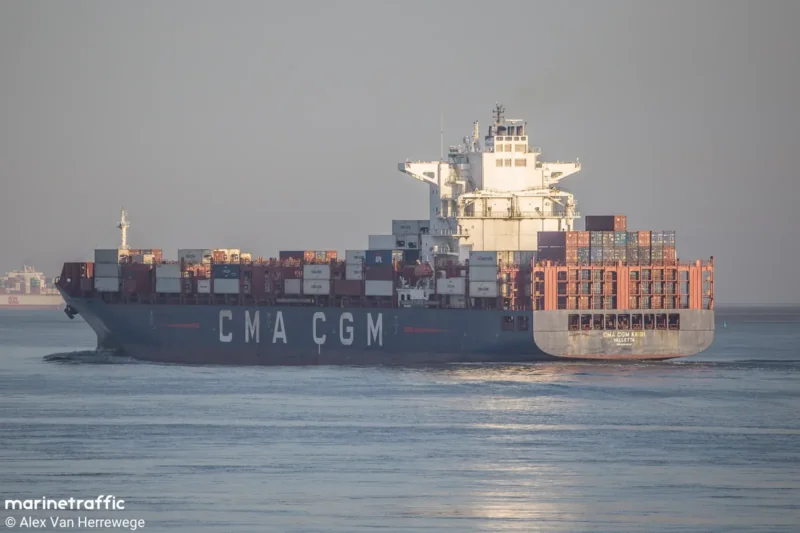
The French ship CMA CGM Kribi has left the Strait of Hormuz 04 April 2026
Ports
Johor Port has introduced designated safety routes for port users. 06 March 2026
Ports
How is Safaga Port reshaping the logistics landscape in the Red Sea? 12 June 2026
Yachts&Cruises
Italian cruise market: Grow to almost 15 million passengers in 2025 07 October 2025
Marine News Room
James Crawford writes : Maximizing operational windows without moving a single stone from the seabed 22 March 2026