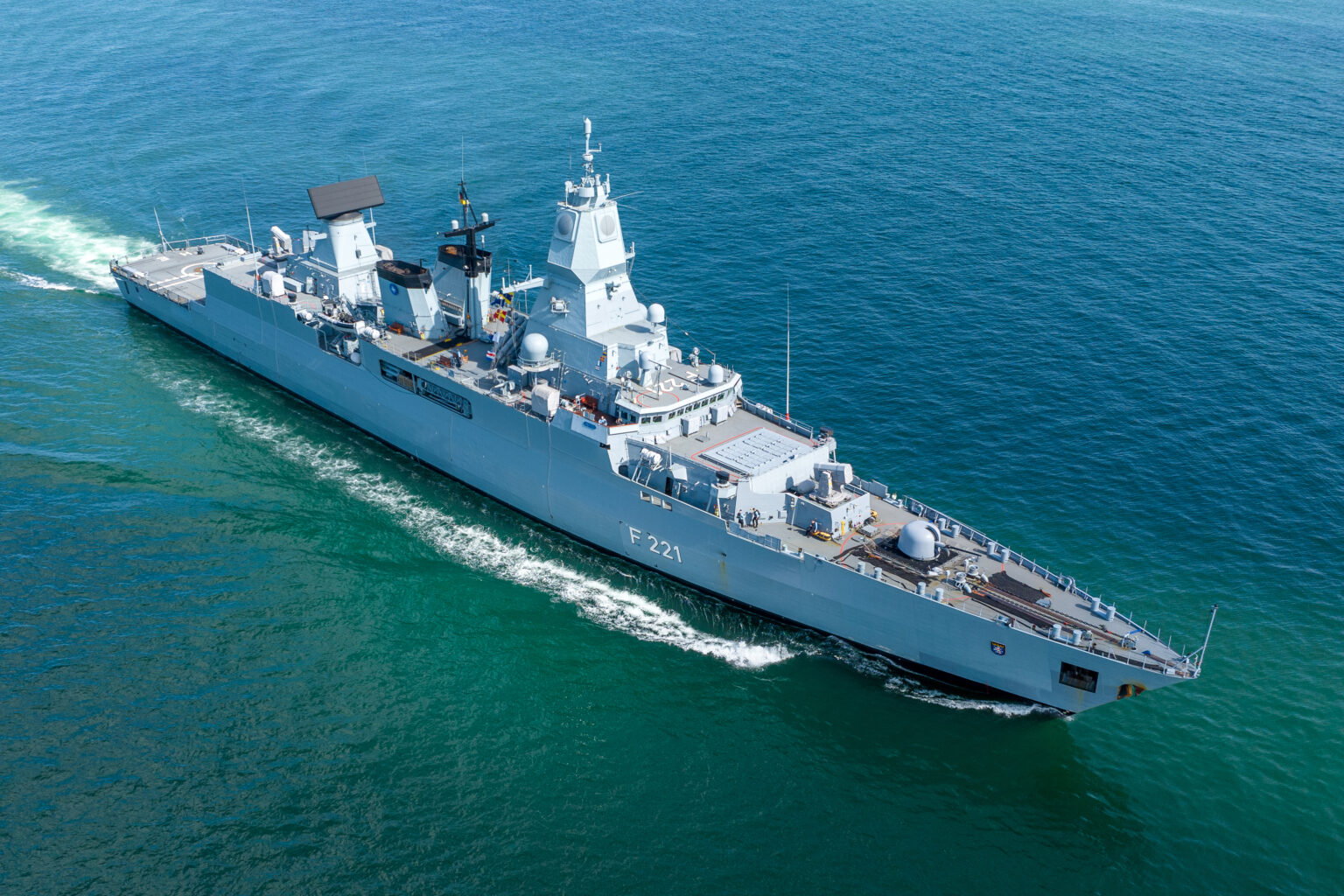
The operation complements other EU efforts to promote security and stability along key sea lines of communication.
The European Council decided to extend the European Union’s maritime security operation to safeguard freedom of navigation in relation to the Red Sea crisis (EUNAVFOR ASPIDES) until 28 February 2027, following the strategic review of the operation.
A financial reference amount of nearly €15 million
As part of the extension, the Council agreed on a financial reference amount of nearly €15 million to cover the common costs of the operation for the period from 1 March 2026 to 28 February 2027. A further strategic review of the operation will be conducted in 2026/27.
Safeguarding freedom of navigation in the Red Sea
The operation contributes to safeguarding freedom of navigation in the Red Sea and surrounding waters in response to ongoing threats against merchant and commercial vessels. Operation ASPIDES provides defensive maritime security, protects vessels and supports stability along key maritime routes in accordance with international law.
The decision reflects the EU’s continued commitment to maritime security, regional stability and the protection of global trade flows.

About : EUNAVFOR ASPIDES
It is noteworthy that EUNAVFOR ASPIDES was established by the EU in February 2024 as a defensive operation in response to the Red Sea crisis, following repeated Houthi attacks on international shipping since October 2023. The operation was launched with a mandate to protect vessels and safeguard freedom of navigation and is active along the main sea lines of communication around the Baab al-Mandab Strait and monitors the maritime situation in the Strait of Hormuz, as well as international waters in the Red Sea, the Gulf of Aden, the Arabian Sea, the Gulf of Oman, and the Gulf.
The extension follows a strategic review of ASPIDES and a broader assessment of EU maritime operations in the region. The operation complements other EU efforts to promote security and stability along key sea lines of communication. ASPIDES is headquartered in Larissa, Greece, and headed by Rear Admiral Vasileios Gryparis.
About : The European Council
The European Council is a top-level EU institution that brings together the heads of state or government of all European Union member states to define the overall political direction and priorities of the EU. It represents the highest level of political cooperation between EU countries and acts as a strategic body, addressing complex or sensitive issues that cannot be resolved at lower levels of intergovernmental cooperation
Related : Report : Houthi attacks in Red Sea devastating for the environment
Source : Press - Release
#ASPIDES #The European Council # Rear Admiral Vasileios Gryparis #Larissa #Red Sea #European Union’s maritime security
You Might Also Like
02 March 2026
Recommendation News
Marine Tech
ABB : Busan Port Authority launches South Korea’s first state-owned all-electric ferry 13 December 2025
Incidents
Tanzania-flagged cargo ship Suffers Engine Failure in Turkey’s Dardanelles. 19 August 2026
Shipping Lines
Swedish, Norwegian, and Canadian owners have co-ordered four VINGA product tankers 31 August 2026
Shipping Lines
Bloomberg-Another Greek-Owned Tanker Navigates Hormuz Amid US-Israel-Iran War – 31 March 2026
Yachts&Cruises
NOMAD 101 Anchors Gulf Craft’s Presence At Qatar Boat 09 November 2025