American P&I Club advises shipowners to factor in these risks when planning delivery schedules and nominating vessels for loading
American P&I Club has warned shipowners about possible delays and additional expenses stemming from new Russian requirements for vessels arriving from foreign ports, according to the organization’s notice dated December 4.The rules, effective November 25, mandate that port entry be cleared through the Federal Security Service (FSB) and allow for compulsory underwater hull inspections at the shipowner’s expense. The FSB has up to 48 hours to decide on a vessel’s entry, and with information transfer included, the process can take up to 49 hours.
New Rules For Calling Russian Ports
Due to a number of incidents where vessels calling Russian ports have suffered from proximity mines, as of November 25, 2025 Russia has adopted new rules for vessels from foreign ports to call at Russian ports.
Under these rules, the Russian harbor master may:
1.Issue permission for a port call;
2.decline it; or
3.instruct the vessel to undergo an underwater inspection for explosives or other suspicious objects.
This process may take up to 53 hours, excluding the time required for the underwater inspection. However, even if no dangerous objects are found during the inspection, the harbor master may still decline the port call.
Timeline and Steps to Enter a Russian Port
Under Presidential Decree No. 502 dated July 21, 2025, calls to Russian seaports by vessels from foreign ports require permission from the harbor master, which should be approved by the Federal Security Service of the Russian Federation (FSB). These rules were further specified by the Russian Government in Resolution No. 1867 dated November 25, 2025 (Rules). In accordance with Rules, the procedure and timeline to be followed by Russian harbor masters and the FSB after receiving a port call from a vessel coming from a foreign port are as follows:
A. Initial Notification (1 hour)
Upon receiving information about a vessel’s call, the harbor master informs the FSB, providing details about the last 10 ports the vessel has called at.
B. FSB Approval (49 hours)
The FSB informs the harbor master whether they:
approve the call and allow entrance;
decline the call and forbid entrance; or
decide to conduct an underwater inspection of the vessel.
C. Underwater Inspection (duration not specified)
An underwater inspection is mandatory if instructed by the FSB and is conducted at the vessel’s expense. The duration of the inspection (and its price) is not defined in the Rules and can vary depending on the port’s workload. The inspection may be conducted by private persons with the necessary divers and equipment, but the specific person charged with the inspection must be chosen by the terminal.
If explosives or unidentified suspicious objects are found during the inspection, the harbor master immediately contacts the Russian Armed Forces to conduct additional inspections and remove or neutralize the suspicious objects.
D. Final Decision (within 3 hours after inspection)
If no suspicious objects or explosives are found during the underwater inspection (i.e., the Russian Armed Forces were not involved), the FSB will either:
approve the call and allow entrance; or
decline the call and forbid entrance.
Caution when drafting shipping contracts
American Club advises shipowners to factor in these risks when planning delivery schedules and nominating vessels for loading Entering a Russian port may pose significant challenges due to the unspecified timeline for underwater inspections and the possibility of port call rejections even when no suspicious objects are found. These new rules can have several implications for merchant shippers. It is recommended that Members exercise caution when drafting shipping contracts, particularly concerning deadlines for the delivery of goods, the provision of vessels for loading, and delivery times.

American Steamship Owners Mutual P&I Association
American Steamship Owners Mutual P&I Association (American Club) is a mutual insurance association established in the United States in 1917. It operates as a member-owned entity providing liability coverage to shipowners and charterers under international maritime insurance standards. The association functions within the framework of the International Group of P&I Clubs, coordinating rules and reinsurance arrangements with other member clubs. Its activities include risk assessment, loss prevention programs, and claims handling across global shipping markets.
Related : UK P&I Club : Ship’s Biofouling Compliance-Regional Standards
American P&I Club , New Rules , Ship calling , Russia Ports
You Might Also Like
Recommendation News
Seafarers
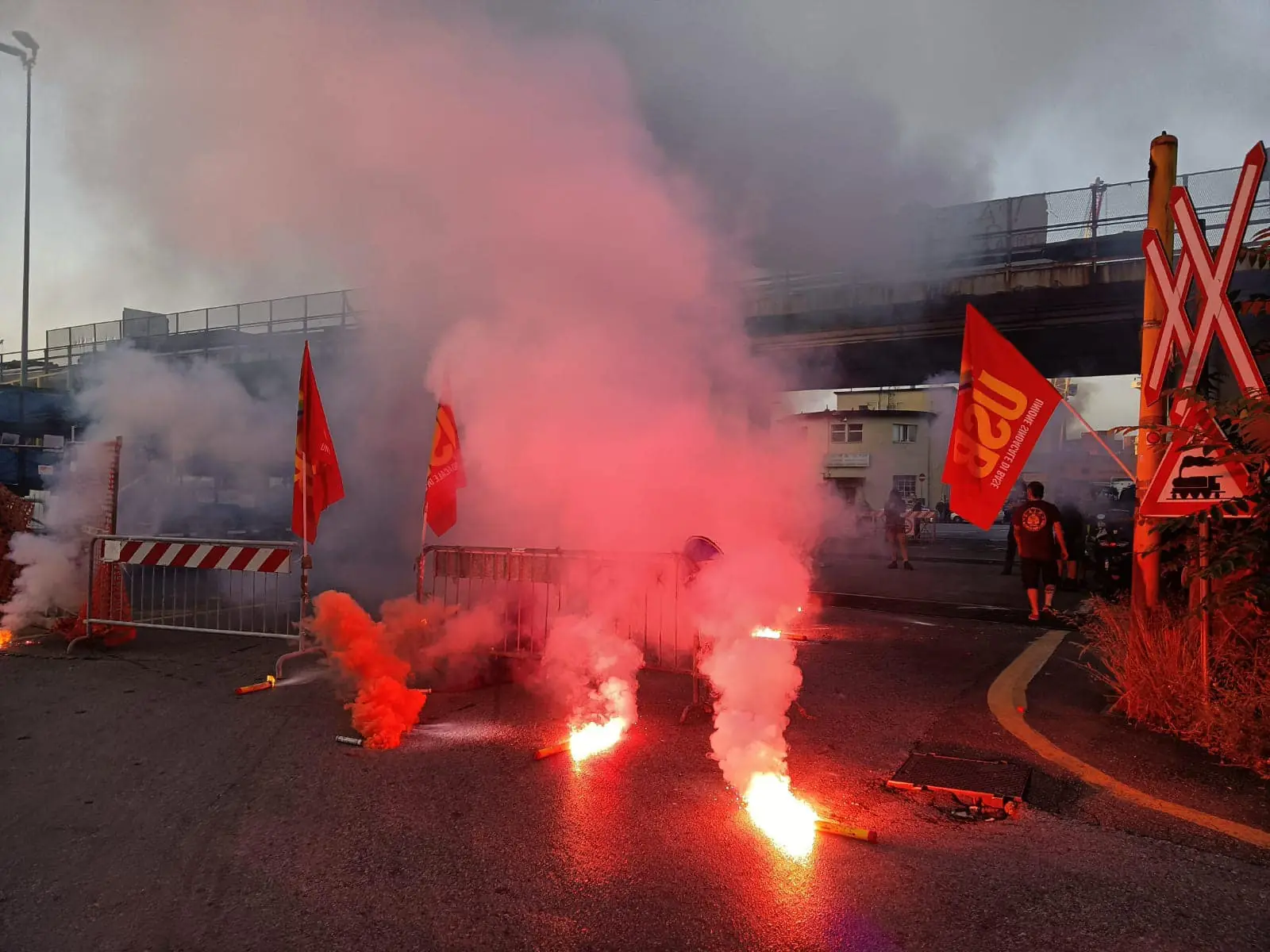
Italian USBs prepares for thee International strike at the many ports of February 6 26 January 2026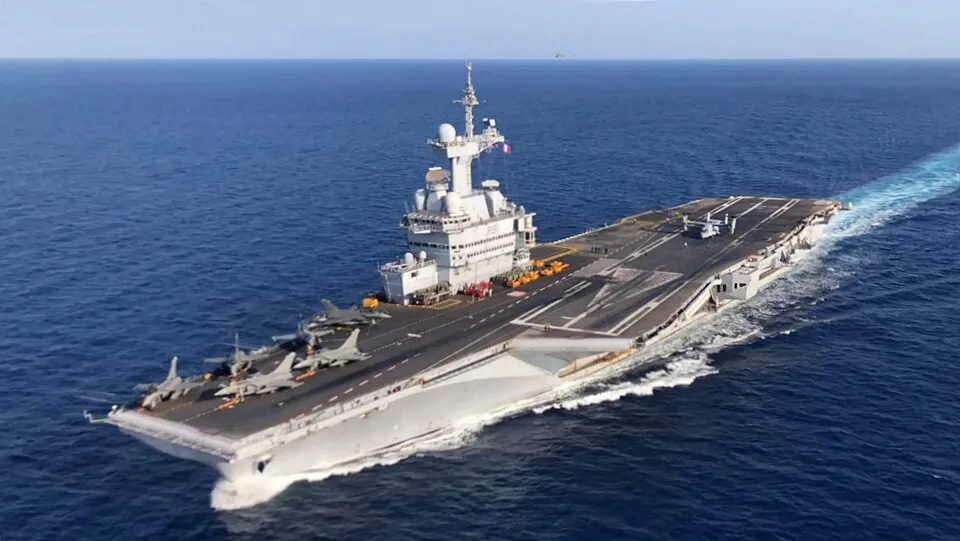
Marine Tech
France to build New Nuclear Aircraft Carrier that will be the largest military vessel in Europe 28 December 2025
Seafarers
ITF and ETF demand action to ensure “crucial step forward” for fishers 19 November 2025
Shipping Lines
New ICHCA Member Strata Worldwide is a Leader in Port Safety 29 October 2025
Shipping Lines
SNCF and CMA CGM CEOs meet to discuss Rail Logistics Europe sale 03 April 2026