Scenarios for the return of Italian shipping lines to the Suez Canal
During the CONTAINER ITALY Business Meeting held recently in Milan, Ignazio Messina, CEO of the shipping company of the same name, said that "there has been a setback to the possibility of returning to Red Sea navigation with any degree of peace. Since the truce between Gaza and Israel was signed, the bombing has continued, and the only factor providing peace has been the Houthis' message that they have halted their attacks, although they haven't said until when. Until there is a stable peace, it's unlikely that all shipping companies will return to sailing via Suez in the short term, but if they were to all reroute through the Red Sea, freight rates would plummet; there would be a 30-40% excess cargo hold, and ships would once again be sitting idle. This would be quite devastating."
This scenario would occur in a market context that is already showing clear signs of deterioration financially. According to Sea-Intelligence, the combined EBIT of the seven largest listed container shipping lines (Maersk, Cosco, Hapag-Lloyd, One, Hmm, Zim, and Yang Ming) fell to $5.12 billion in the third quarter of 2025, compared to $17.06 billion in the same period of 2024. This level of profitability, although significantly lower than last year's peaks, remains higher than the pre-Covid period and appears to have settled at an economically sustainable level thanks to the extended routes around Africa on the Asia-Europe trade. The highest EBIT per TEU transported is that of Cosco ($350), followed by Zim ($280/TEU), while for all other global carriers analyzed, the EBIT/TEU ratio is less than $200 (for One, $85/TEU, for Maersk ($83/TEU), and for Hapag Lloyd ($65/TEU). In the third quarter of 2024, the lowest EBIT/TEU ratio was $335.
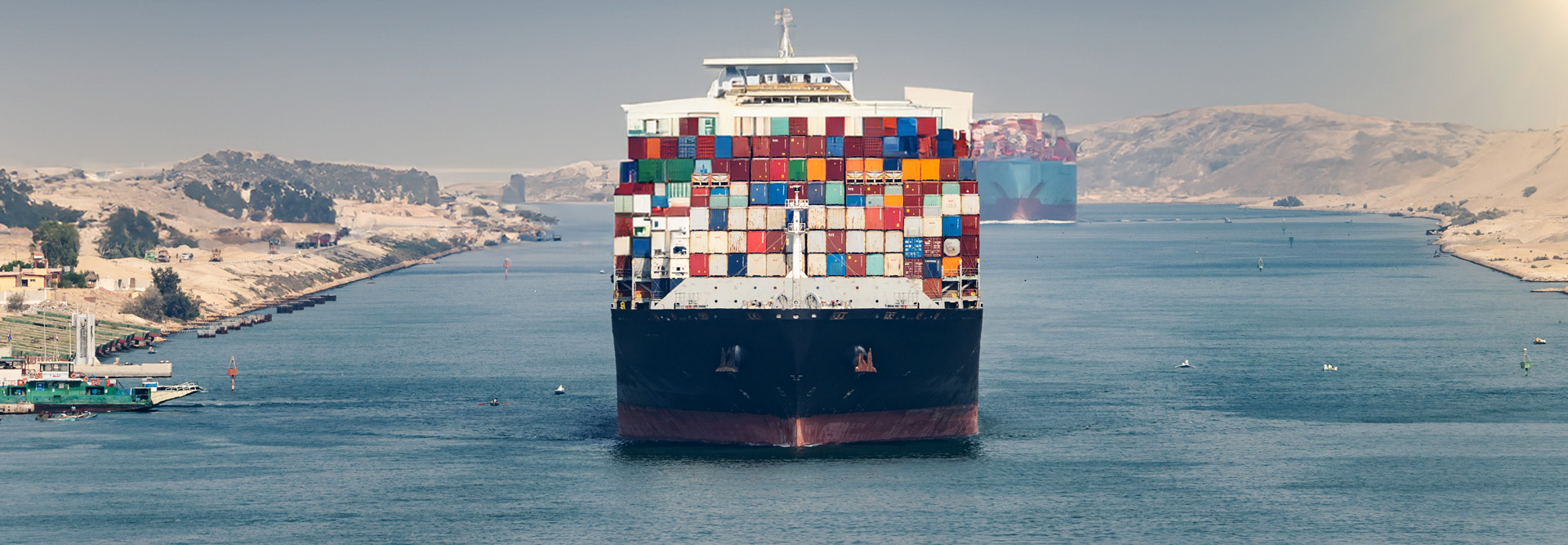
At the CONTAINER ITALY Business Meeting, Marco Zollia, Marketing and Sales Director of Trieste Marine Terminal, tried to see the glass half full: "When it becomes possible to safely cross the Suez, I believe that the Asia-Mediterranean shipping lines, and in particular those between Asia and the Adriatic, will return to sailing the Red Sea because the cost difference (primarily fuel) is significant. I have some more doubts," he added, "about whether the services that They connect Asia to Northern European ports because the companies have 'discovered' the West African market. By circumnavigating the Cape of Good Hope, they now make regular and important calls at West African ports. Restoring those services to the Suez Canal would mean redesigning the routes to continue serving West Africa, but via transhipment, via feeder vessels.
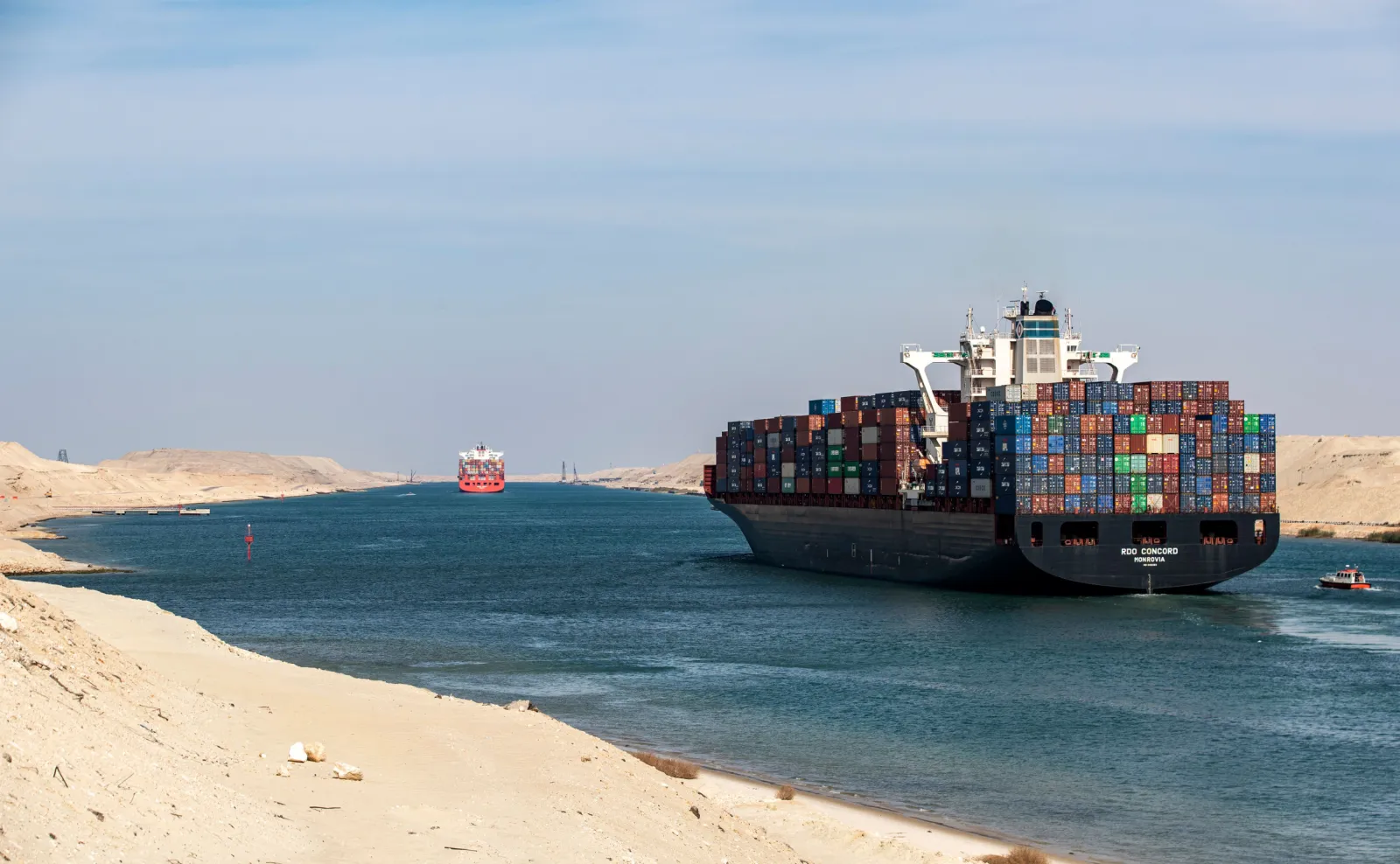
It could therefore happen that some companies return to the Suez Canal to serve the Mediterranean (and the Adriatic in particular) and other lines continue circumnavigating Africa to reach Northern European ports, "with a clear advantage for Italian ports, which would benefit from shorter transit times to and from Asia compared to Northern Europe," Zollia concluded
The blockage of the Suez Canal at the end of March 2021 has focused attention on the importance of the Suez Canal in international maritime trade and possible alternative routes. The importance of the Mediterranean basin is still clear in this context
You Might Also Like

06 October 2025

Recommendation News

Incidents
Cocaine inside fish reefer in the port of Gioia Tauro 16 October 2025
Yachts&Cruises
Tensions in the Persian Gulf force Costa to cancel cruises to UAE 08 October 2025
Shipping Lines
Unimed Italy adds Egypt-Adriatic service 08 November 2025
Ports
Port Saint John Announces Appointment of New Chief Operating Officer 31 January 2026
Marine Tech
ESA : Showcasing Space Applications for Maritime Decarbonisation 19 November 2025