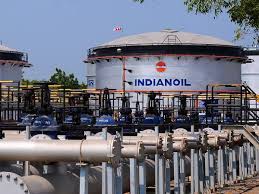
The EU has set a January 21 deadline after which it will decline fuel from refineries that handled Russian crude within 60 days of the bill of lading.
NEW DELHI/MOSCOW, (Reuters) - India's Russian oil imports are set to hit their lowest in at least three years in December, down from multi-month highs in November, as refiners turned to alternatives to avoid breaching Western sanctions, trade and refining sources as new U.S. and EU sanctions force refiners to reassess discounted supplies,, opens new tab according to Signal Ocean.
The firm, part of Greece-based The Signal Group, says arrivals peaked in November as buyers front-loaded cargoes before a 21 November U.S. deadline on Rosneft and Lukoil, with the 21-day moving average already about 30% below end-October and “trending lower.” Buyers of Russian oil had until November 21 to wind down dealings with the two firms. Separately, the EU has set a January 21 deadline after which it will decline fuel from refineries that handled Russian crude within 60 days of the bill of lading.

Bank scrutiny made Indian state refiners "extremely cautious"
Reuters customs and tracking data show India receiving about 1.87 million bpd of Russian crude in November, up from 1.65 million bpd in October, but flows may plunge to 600,000–650,000 bpd in December — a three-year low — as refiners avoid sanction breaches and financing risks. Bank scrutiny following the latest U.S. sanctions has made Indian state refiners "extremely cautious"
The fall follows U.S. measures blacklisting Rosneft, Lukoil and affiliates, an EU rule banning from January 2026 fuels made in refineries that processed Russian crude in the previous 60 days, and U.S. tariff moves including an extra 25% duty on Indian purchases of Russian oil.
Reliance Industries has halted Russian crude imports
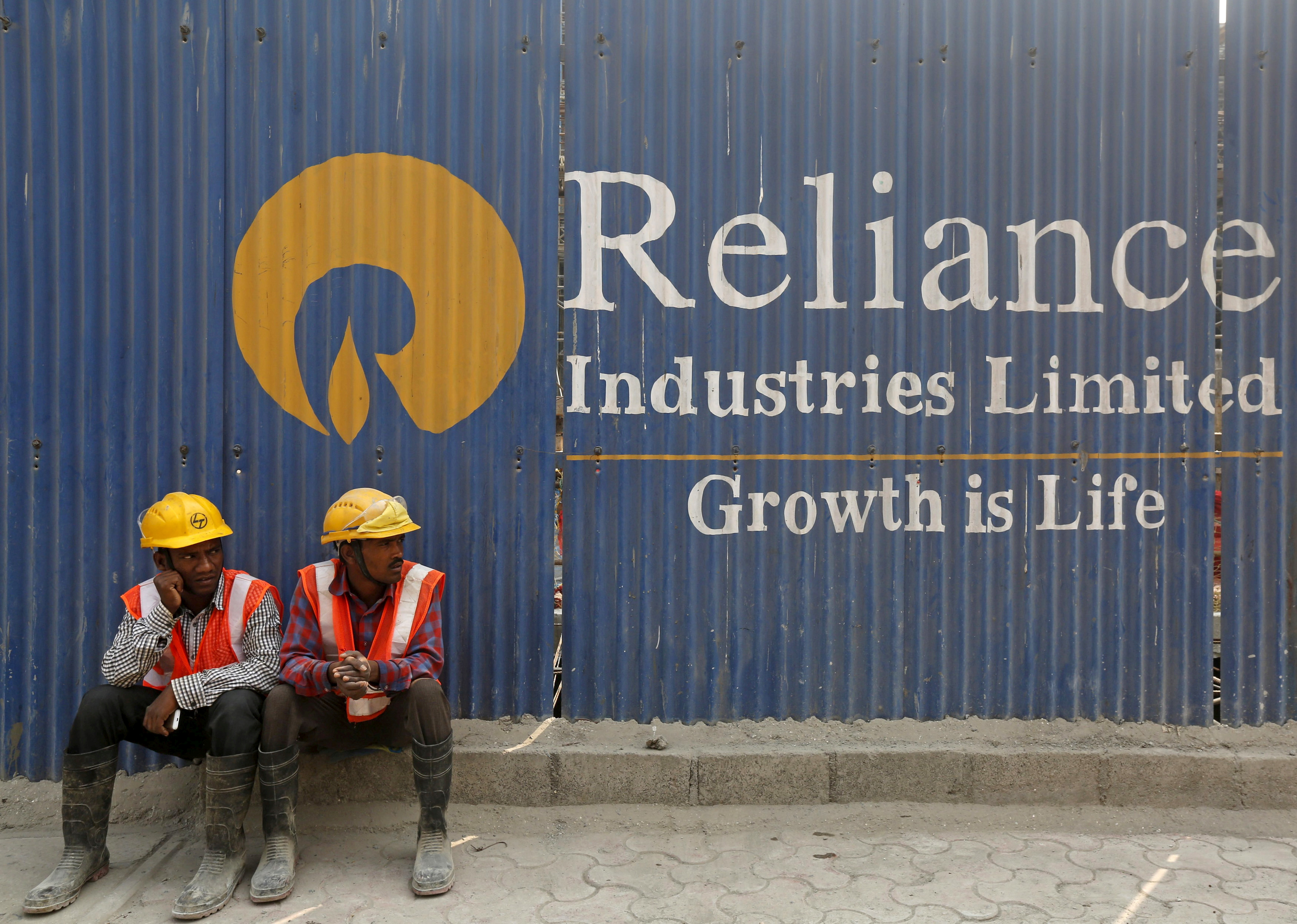
On the other hand Reliance Industries has halted Russian crude imports into its export-oriented SEZ refinery from 20 November, sending later-arriving cargoes to its Domestic Tariff Area unit and shifting the SEZ facility fully to non-Russian crude from December. Signal’s data indicate Reliance front-loaded Russian cargoes before the deadline, with the last SEZ-bound shipment loaded on 12 November.
Among state refiners, Indian Oil Corporation resumed Russian purchases only from non-sanctioned suppliers, booking five ESPO cargoes totalling around 3.5 million barrels for December, while MRPL, HPCL and HPCL-Mittal Energy have reduced or stopped Russian inflows; Nayara Energy, part-owned by Rosneft, continues running mainly Russian crude under tighter scrutiny.
The shift reflects a broader realignment of India’s crude slate. Russian barrels rose to about one-third of India’s imports by 2024–25, with around 60% sourced from Rosneft and Lukoil, while U.S. crude reached 10.7% of inflows in October 2025, alongside supplies from the Middle East, Latin America and West Africa.
Related : Tariff thaw in sight between US and China, ship duties postponed
Reliance Industries ,India’s refiners , Russian crude imports ,Indian Oil Corporation ,The Signal Group, , Russian crude , EU sanctions ,U.S. measures , blacklisting Rosnef ,Lukoil
You Might Also Like

Recommendation News

Marine News Room
Dr. Magdalena Laabs writes : New EU Regulations on Chemical Recycling – July 2025 12 December 2025
Marine News Room
Faces : Dawicki : A real Maritime Policy expert running for the US Senate 30 October 2025
Shipping Lines
Suardiaz Group : Vapores Suardiaz Norte Absorbed in Strategic Merger 25 December 2025
Ports
Learn about the growing activity at Italian ports 10 January 2026
Yachts&Cruises
Carnival brings “Fun Italian Style” to Miami and New York from 2027 04 January 2026