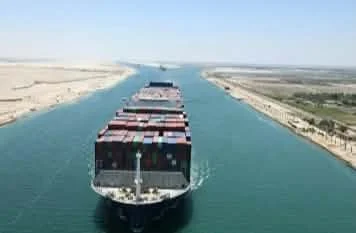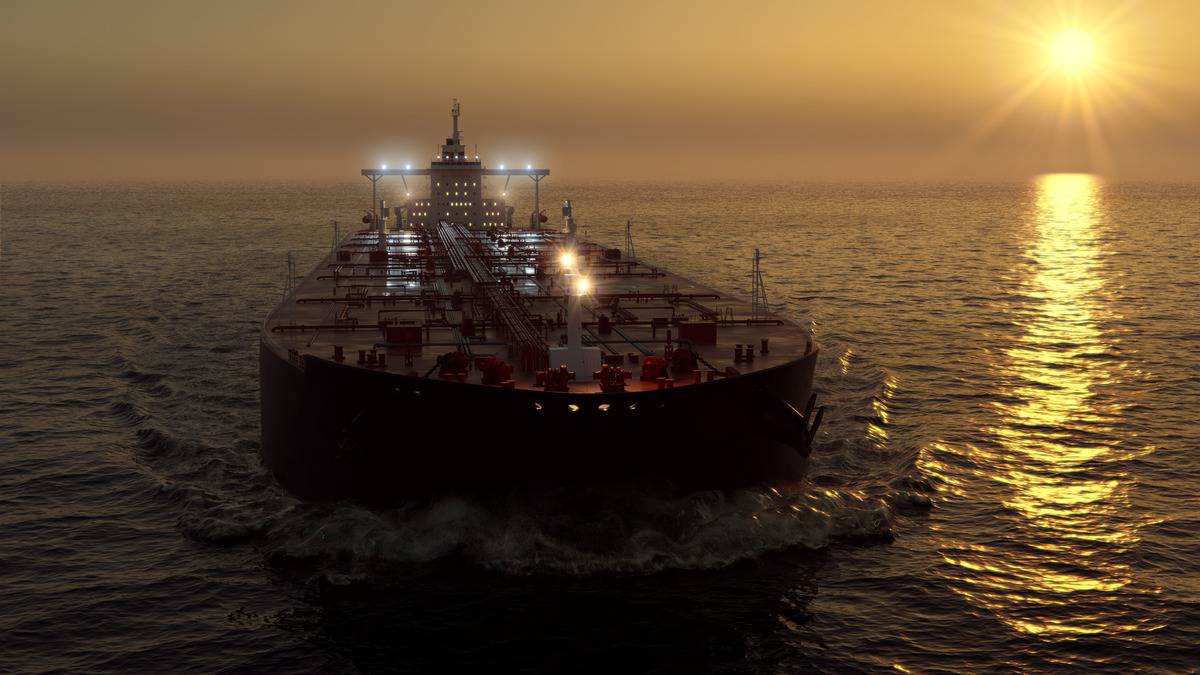
The bloc is now discussing a mechanism for preliminary agreements with flag states that would allow inspections of their vessels.
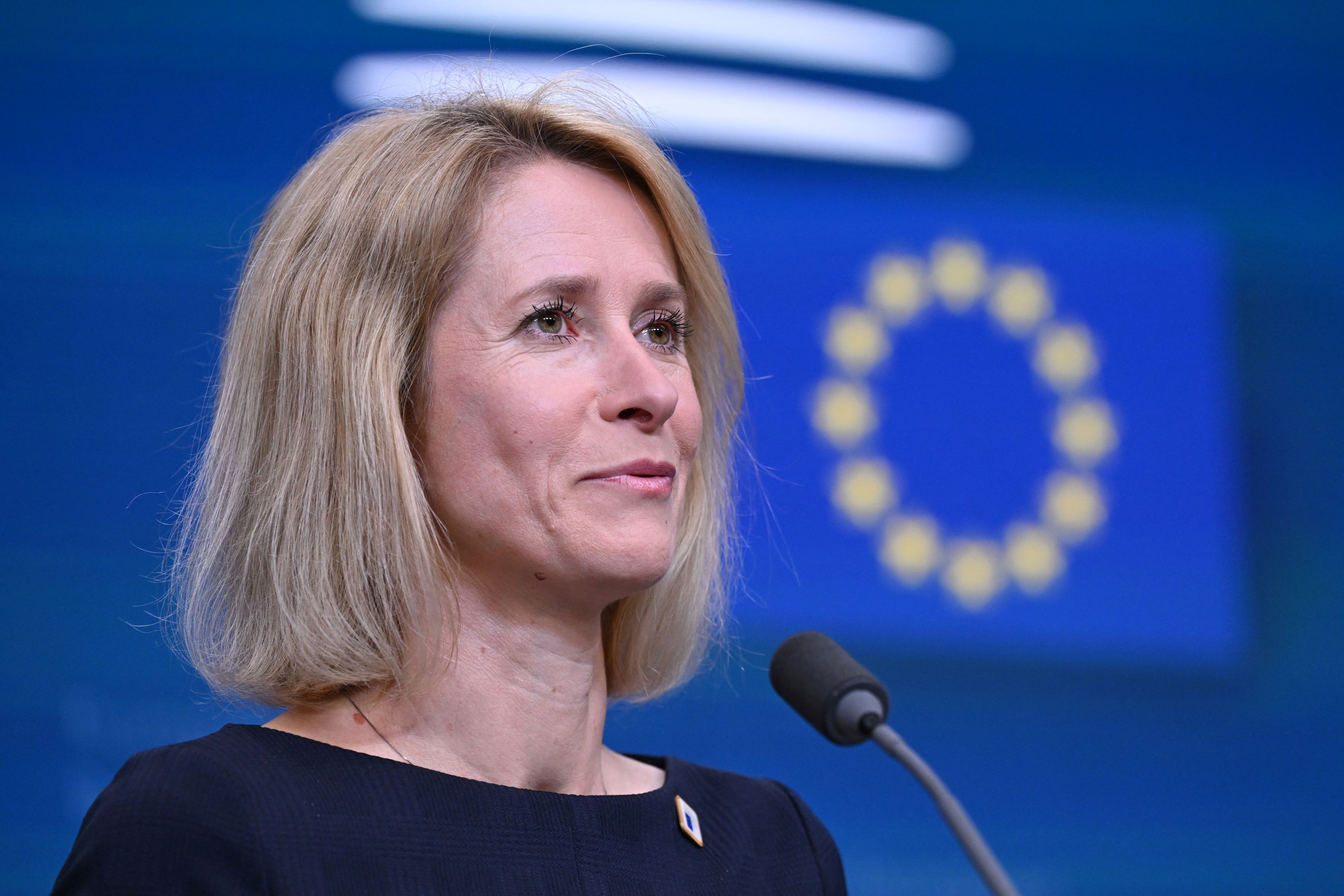
The European Union is preparing new Strict measures against the so-called “shadow fleet” of vessels transporting oil in breach of international requirements, EU foreign policy chief Kaja Kallas said after a meeting of the EU Foreign Affairs Council in Brussels.
According to Kallas, existing restrictions have already had a significant impact on such carriers. More than 550 vessels have been added to the sanctions list, and data from European intelligence services indicate a further decline in seaborne oil exports. EU officials note that even the first weeks of the restrictions led to a noticeable drop in revenues from export routes through the Baltic and Black Seas.
A mechanism for preliminary agreements
The bloc is now discussing a mechanism for preliminary agreements with flag states that would allow inspections of their vessels. This arrangement, Kallas said, is intended to make oversight of oil shipments more predictable and more firmly grounded in legal procedures.
Ministers also backed a shift to “rolling” updates of the sanctions list, under which new vessels and related companies would be added as violations are identified, without waiting for another large sanctions package. In parallel, the EU is holding consultations with partners, including the United States and the United Kingdom, to align measures and increase their overall impact.
According to the European side, a range of instruments is under consideration, from environmental requirements to insurance and registration procedures that could slow the operations of vessels operating outside international norms.
The U.S.sanctions on Russian energy
It is noteworthy that Ever since the U.S. introduced sanctions on Russian energy, Moscow has been transporting oil under the radar using clandestine techniques such as shadow fleets. Demand for Russian crude has risen from some countries as Putin has offered oil at highly discounted rates to maintain Russia’s export revenues. Countries such as China and India, who have so far ignored the U.S. sanctions, have been driving this demand. Now, there’s a plan to crack down on Russian shadow fleets to ensure that they cannot circumvent sanctions so easily.
Related : Magdy Sadek : Map of shadow financial networks for shipping
Iran and Venezuela have used the technique to avoid sanctions
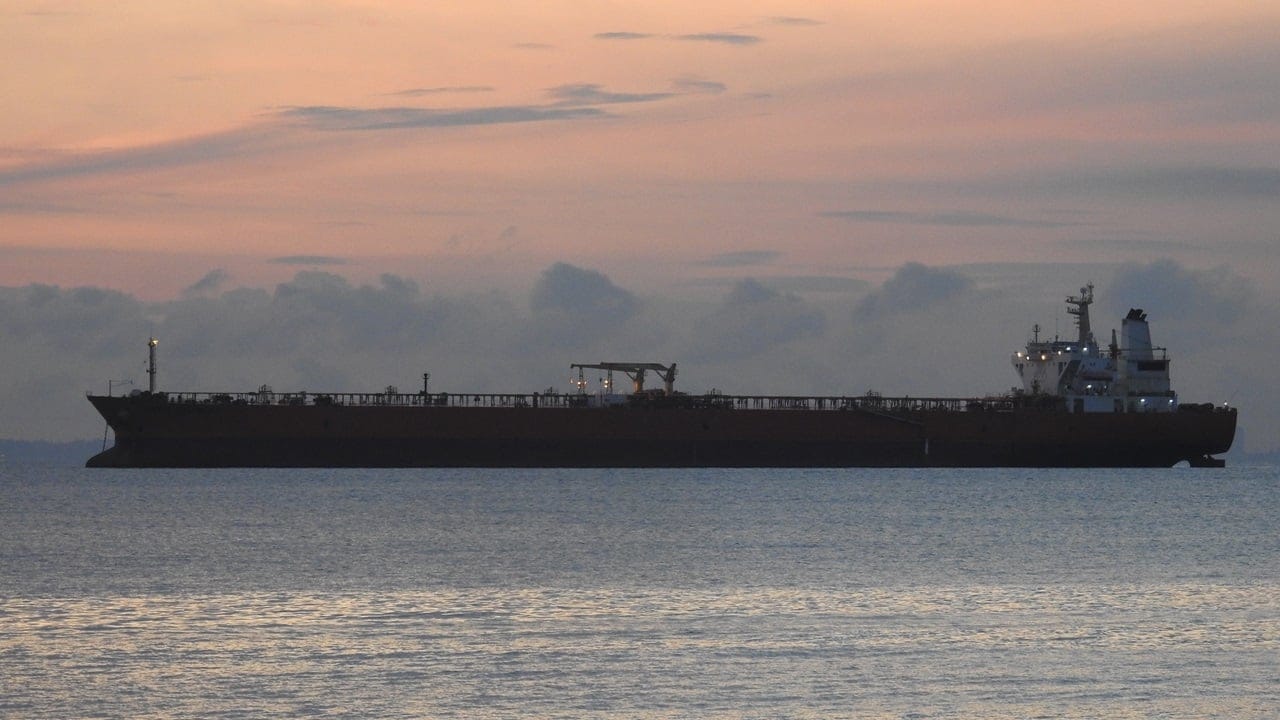
Shadow fleets have long been used to export crude to other parts of the world. Both Iran and Venezuela have been known to use the technique to avoid sanctions, with many of their oil products bound for China and other parts of Asia that do not adhere to U.S. sanctions.
2022 invasion of Ukraine and the subsequent sanctions
Russia began to use shadow fleets to move its energy products following its 2022 invasion of Ukraine and the subsequent sanctions it faced. To ensure its economy was not severely disrupted, Putin opted to clandestinely continue to export crude to bring in revenue. To achieve this, Russia has been using a fleet of around 700 older, poorly maintained ships without modern identification systems to transport oil while avoiding detection.
The term shadow fleet
The term shadow fleet has a wide range of definitions, but when it comes to Russia’s use of this method it is generally taken to mean “all vessels lacking Western insurance and belonging to non-EU/G7+ companies”. Russia’s shadow fleet “makes use of flags of convenience and intricate ownership and management structures while employing a variety of tactics to conceal the origins of its cargo, including ship-to-ship transfers; automatic identification system blackouts; falsified positions; transmission of false data; and other deceptive or even illegal techniques.”
Agencies
shadow flee , U.S. sanctions., A new strict measures , The European Union ,Kaja Kallas , Black Seas. ,Russian energy , Russian crude , Venezuela , Iran
You Might Also Like
Recommendation News
Shipping Lines
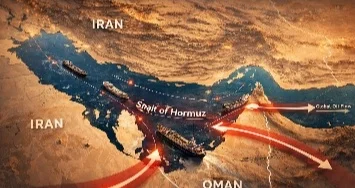
Iran and Oman are set to establish a framework for the Hormuz Corridor. 28 August 2026
Shipping Lines
ICHCA : Consequence in Cargo Handling Risks of Worker Fatalities 18 October 2025
Incidents
Red Sea Operation ASPIDES extended by EU Council with €15m common funding 24 February 2026
Marine Tech
Brussels rallies the EU maritime and shipbuilding supply chain. 06 September 2026
Marine Tech
Workshop of IMO measures on oil pollution incidents in Africa 15 October 2025