The EU’s 19th sanctions package provides state-owned SEFE legal cover to exit
Shipowners are warning that the current framework around the oil price cap and sanctions on Russian energy is creating growing legal uncertainty for the shipping industry, according to Lloyd’s List .Measures that were initially designed to keep Russian oil flowing while limiting export revenues are now seen by some market participants as exposing owners to conflicting obligations and potential sanctions.
The oil price cap
The original intention behind the oil price cap was to limit revenues from Russian oil exports without reducing the number of barrels sold. Shipping was allowed, and in practice encouraged, to continue transporting these cargoes.
Long-term deals
According to industry commentary, that same legislation is now being used to portray owners as supporting Russian energy revenues, even when they are simply fulfilling contracts signed well before Russia’s economic exclusions were imposed. For shipowners tied into long-term deals, exiting the trade is not a straightforward option.
Few good routes open to shipping to extract themselves
Until specific trades are made unlawful, there are, in the words of one analysis, “few good routes open to shipping to extract themselves from contracts without exposing themselves to very large claims in damages”. This dilemma has been familiar to gas players for some time and is now becoming more visible through individual cases.
The current plight of George Prokopiou
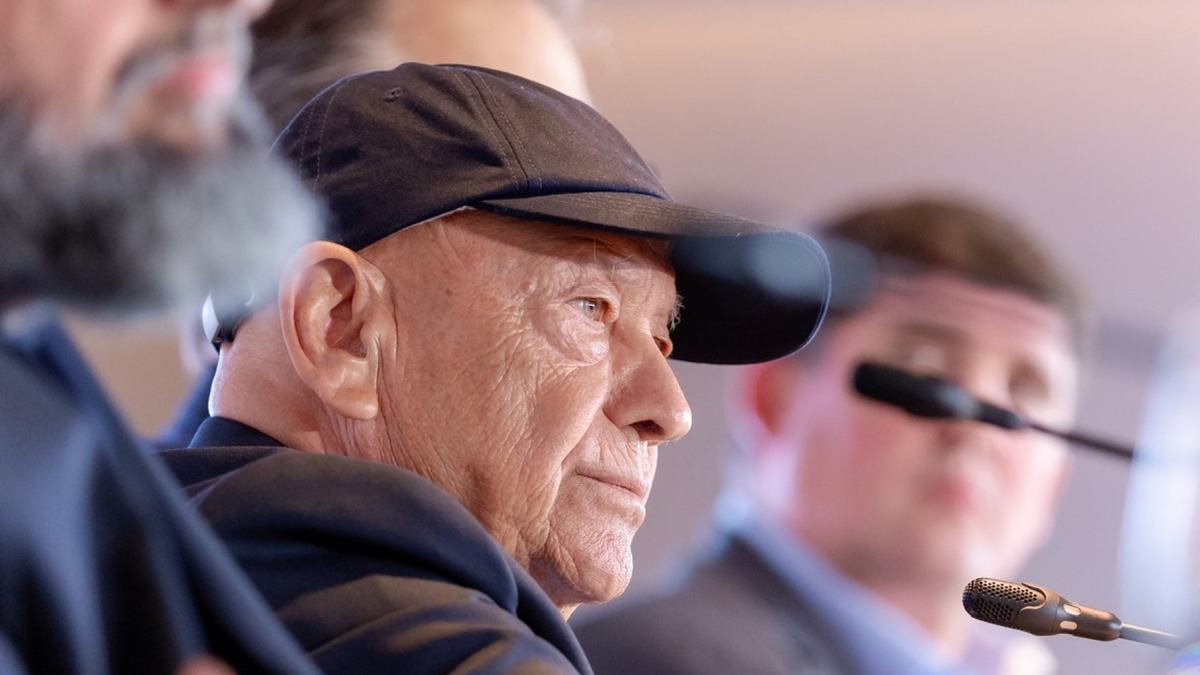
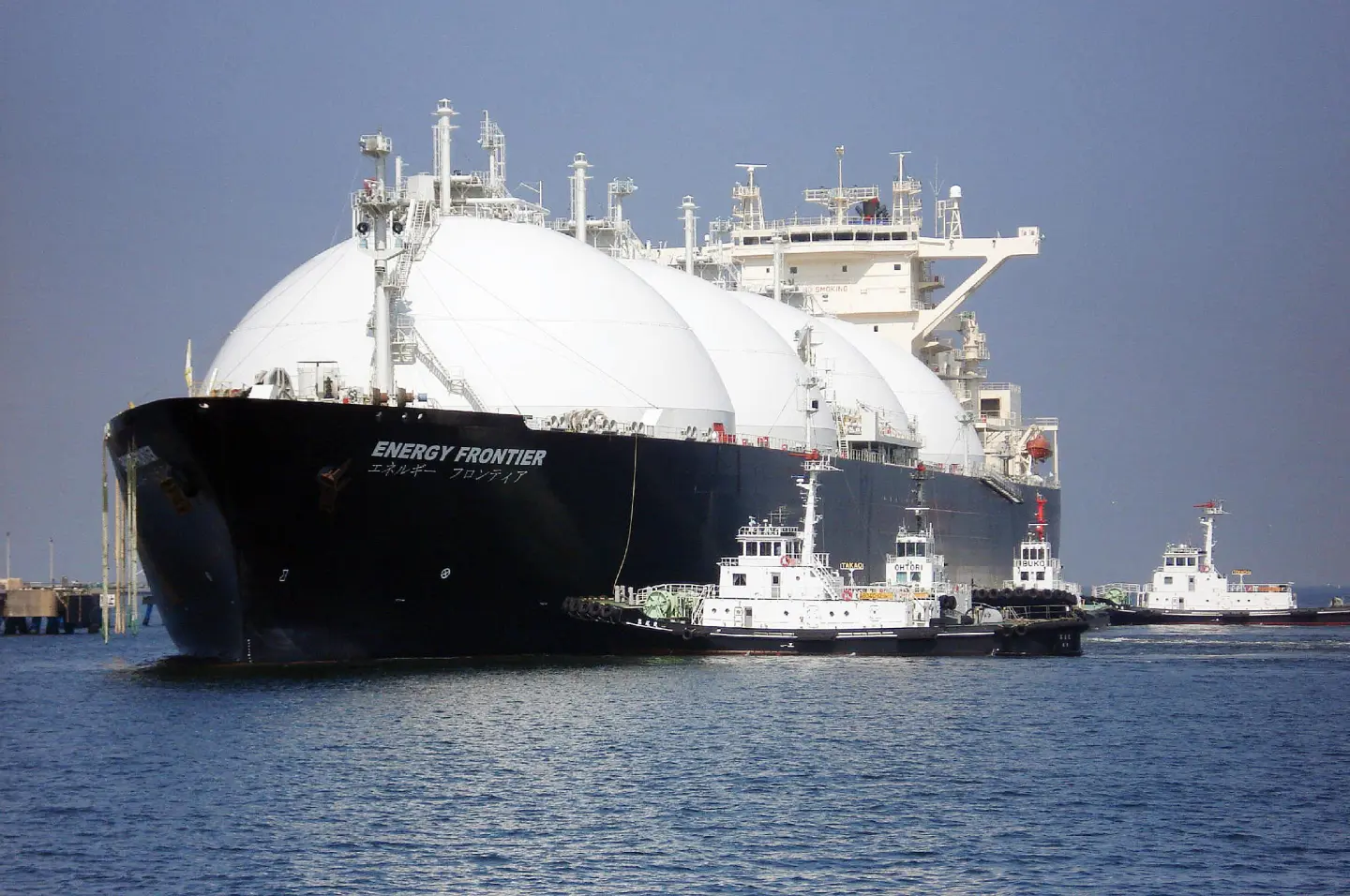
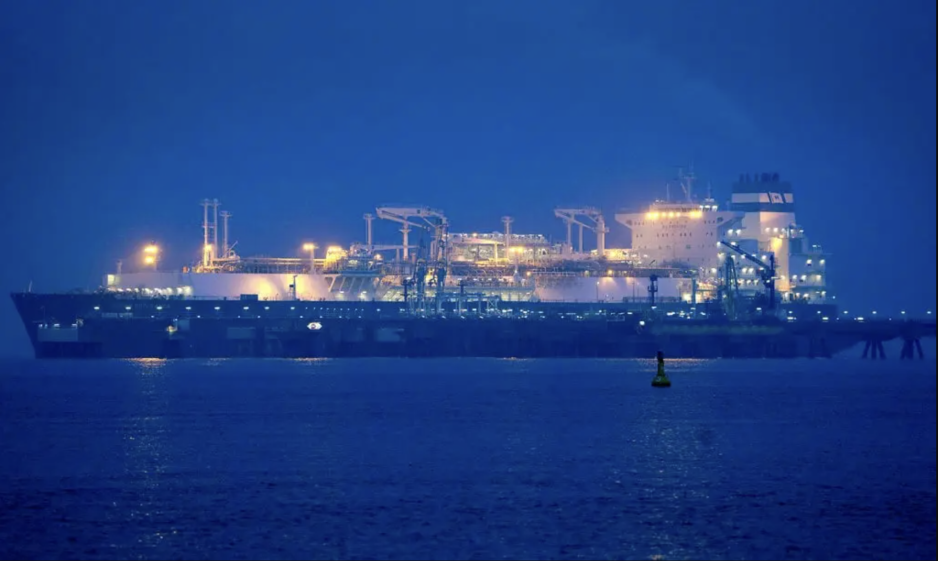
One example highlighted is the current plight of Greek shipping tycoon George Prokopiou, who is seeking to remove three of his LNG carriers from the designation list in the UK. This situation is presented as an instructive warning to other owners that assets involved in Russian energy trades can become entangled in sanctions even where the underlying contracts remain in force.
A core tension in the existing rules
Commentators note a core tension in the existing rules: the same legislation that confirms certain trades as lawful also contains provisions that allow related parties to be sanctioned. That tension is now being amplified by new policy signals. The UK has announced that it will ban maritime services — in practice, key insurance and finance support — for Russian LNG, but only from 2026 and through a phased approach. Germany, meanwhile, has started signalling that it might invoke “force majeure” to allow domestic players to exit their Yamal LNG contracts.
Related : Billions of barrels of crude oil are “stuck” at sea
Shipping companies
For shipping companies with capital sunk into long-term arrangements, the prospect of shutters coming down on Russian energy trades is viewed as a material risk. Some market participants do not welcome the idea of an outright ban but argue that clarity from governments is now required so that owners can understand their legal position and manage their exposure.
An oil glut next year
With the world described as facing an oil glut next year, the broader market backdrop is also changing. According to the commentary, if Russian oil and gas are now genuinely “off the market”, as the UK Chancellor recently put it, then the oil price cap “needs to be scrapped”. In this view, the mechanism no longer serves the purpose it was designed to achieve and instead creates “untenable legal risk for shipping”, which is again portrayed as being caught in the middle of “confused political thinking” around sanctions.
Invoke “force majeure” to exit Yamal LNG deal

On the other hand Germany may invoke “force majeure” to exit Yamal LNG deal. The EU’s 19th sanctions package provides state-owned SEFE legal cover to exit the Russian LNG contract, Germany says. The news is the first concrete step of long-term purchase agreements being unwound, signaling the beginning of the end for Russian gas exports to Europe.
For SEFE, the challenge now is to replace the volume with alternative non-Russian sources, while navigating the legal and financial complexities of unwinding the Yamal deal. The company will likely be looking to the U.S. for additional imports. SEFE already buys approximately 10 billion cubic meters of natural gas per year from Norway's Equinor, under long-term contracts that began in 2024.
About Yamal LNG
It is noteworthy that Yamal LNG (Russian: ОАО "Ямал СПГ") is a joint venture led by Novatek based around a liquefied natural gas plant located in Sabetta at the north-east of the Yamal Peninsula, northwest Siberia, Russia. In addition to the LNG plant, the project includes production at the Yuzhno-Tambeyskoye gas field, and the transport infrastructure, including the Sabetta seaport and airport.
Lloyd’s List operates as a provider of opinion and analysis on developments affecting maritime markets, including regulatory changes, sanctions and their impact on shipowners and cargo flows.
Source : Press - Release + Another Sources , SEFE ,Yamal LNG , Lloyd’s List, Shipping industry , rising legal risk , oil price cap , LNG sanctions ,George Prokopiou ,shipping companies ,Norway's Equinor, Russian energy
You Might Also Like

06 October 2025

01 October 2026
Recommendation News
Ports
BMF Port Burgas Becomes a Member of ICHCA 17 February 2026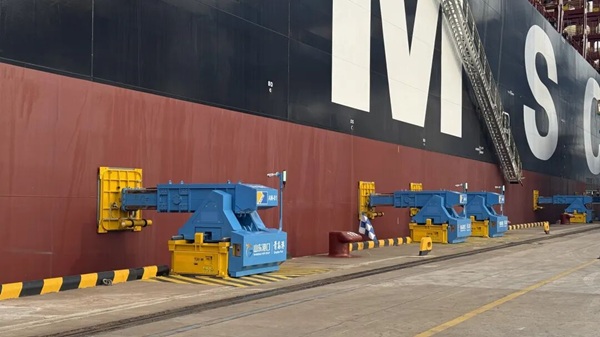
Ports
Qingdao Port launches China’s first vacuum-based automated mooring system 07 January 2026
Ports
The Port of Antwerp will have its own air defence system by 2027 to counter drone threats 26 February 2026
Shipping Lines
Hapag-Lloyd posts solid nine-month results with higher volumes, lower rates 14 November 2025