Plastic makes up 80% of all marine debris, from surface waters to deep-sea sediments.
Humans produce over 400 million metric tons of plastic annually. That’s roughly the weight of all humans on the plane
The IMO’s Sub-Committee on Pollution Prevention and Response has agreed on the draft 2025 Action Plan to Address Marine Plastic Litter from Ships, with a view to its approval by the Marine Environment Protection Committee (MEPC 83) when it meets on 7 to 11 April 2025.
IMO marine litter action plan
This milestone was achieved along with other key outcomes at the 12th session of the Sub-Committee on Pollution Prevention and Response (PPR 12),IMO marine litter action planMEPC 73-19-Add-1 held at IMO Headquarters in London from 27 to 31 January 2025. The meeting was chaired by Dr. Anita Mäkinen of Finland.
The actions included
The actions included in the draft 2025 Action Plan are set for completion by 2030 and aim to achieve at the following main outcomes:
Reduction of the contribution from fishing vessels to marine plastic litter
Reduction of shipping’s contribution to marine plastic litter
Enhanced public awareness, education and seafarer training
Improvement of the effectiveness of port reception facilities and treatment in reducing marine plastic litter
Improved understanding of the contribution of ships to marine plastic litter
Strengthened international cooperation
The Sub-Committee updated the timeframes for the expected completion of the actions, grouping them according to short-, mid-, long-term and continuous actions.
Carriage of plastic pellets by sea
The draft 2025 Action Plan to Address Marine Plastic Litter from Ships includes a dedicated action for the development of mandatory measures to reduce the environmental risks of plastic pellets transported by sea in freight containers.
To inform future discussions on the legal framework for introducing such measures, the Sub-Committee developed a table outlining various considerations, including advantages, limitations and impacts relating to possible amendments to mandatory instruments linked to the carriage of plastic pellets by sea.
Other important outcomes from the Sub-Committee meeting include:
draft Guidance on in-water cleaning of ships’ biofouling agreed;
draft 2025 Guidelines on selective catalytic reduction systems approved; and
draft Interim guidance on the carriage of blends of biofuels and MARPOL Annex I cargoes by conventional bunker ships agreed.
Plastic makes up 80% of all marine debris
It is noteworthy that Plastic makes up 80% of all marine debris, fromsurface waters to deep-sea sediments. Plastic has been detected on shorelines of all the continents, with more plastic materials found near popular tourist destinations and densely populated areas. Invisible plastic has been identified in tap water, beer, salt, and seafood. These microplastics are present in all samples collected in the world’s oceans, including the Arctic
Plastic production is projected to keep going up
Plastic leaks into the ocean from thousands of sources all over the world every day. Increasing consumption combined with improper waste management in many countries has made plastic pollution a worldwide problem, causing damage not only to the environment but also to human health and economies.
Humans produce over 400 million metric tons of plastic annually. That’s roughly the weight of all humans on the planet — and plastic production is projected to keep going up.
Read the full meeting summary for PPR 12
Related :
IMO : Reducing marine plastic litter – global project 2025
Press - Release
You Might Also Like

07 October 2025
15 October 2025
Recommendation News
Shipping Lines
Oman’s Asyad purchase two Crude Oil tankers 19 October 2025
Yachts&Cruises
Warm welcome for “NORWEGIAN VIVA” at Alexandria Port 07 October 2025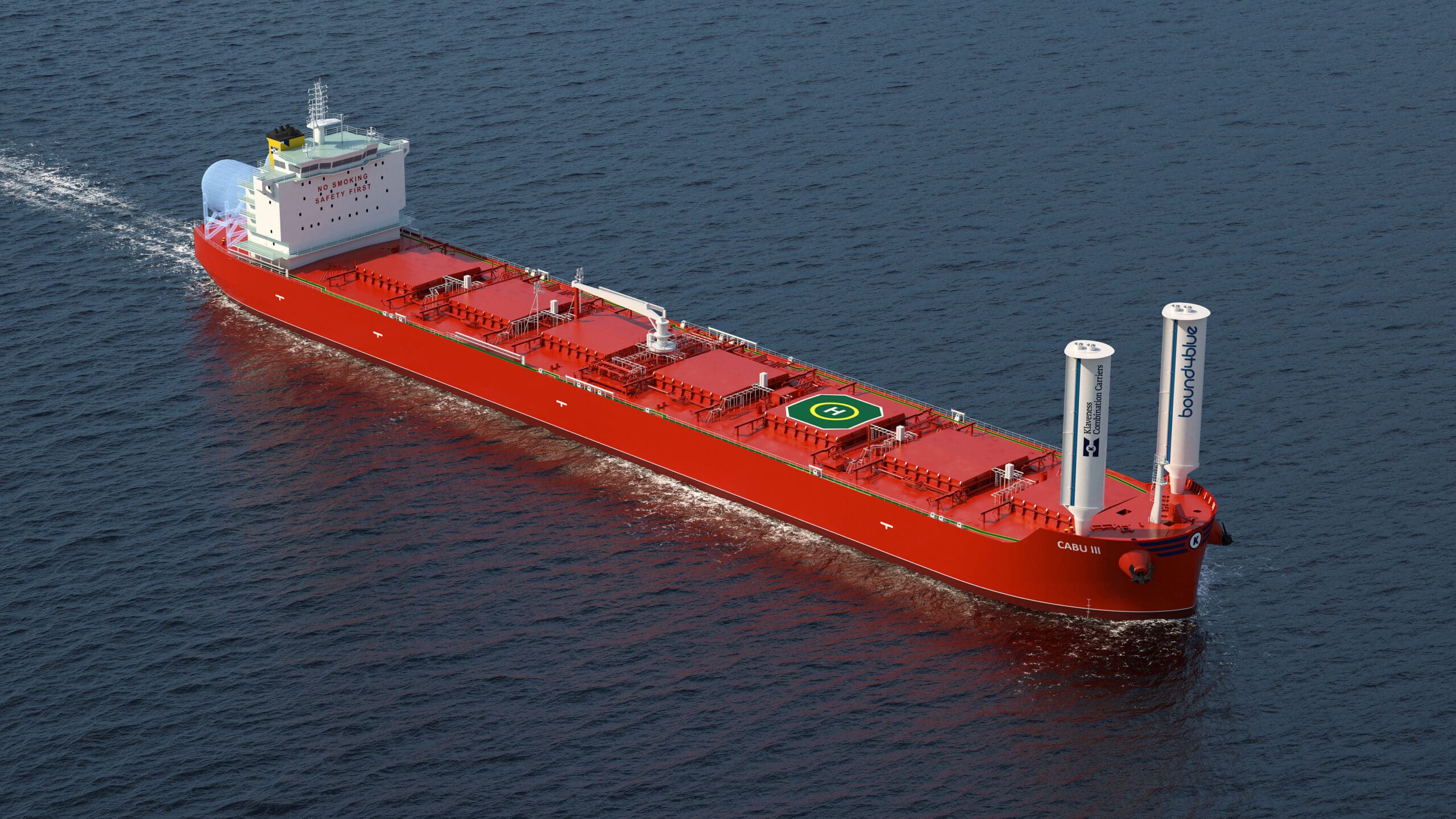
Marine Tech
bound4blue secures DNV validation for wind propulsion 14 October 2025
Yachts&Cruises
Josh Weinstein, named Chair of the Global Executive Committee of CLIA 09 January 2026
Ports
ABP and 17 Port & Maritime Regiment Win Regional Partnership Award 28 November 2025